Showing posts with label Nitrogen Fixing. Show all posts

The Rosewoods

There is a tree which is often mistaken for Indian Rosewood due to striking similarity in their leaves and flowers. But can be distinguished by somewhat darker bark.

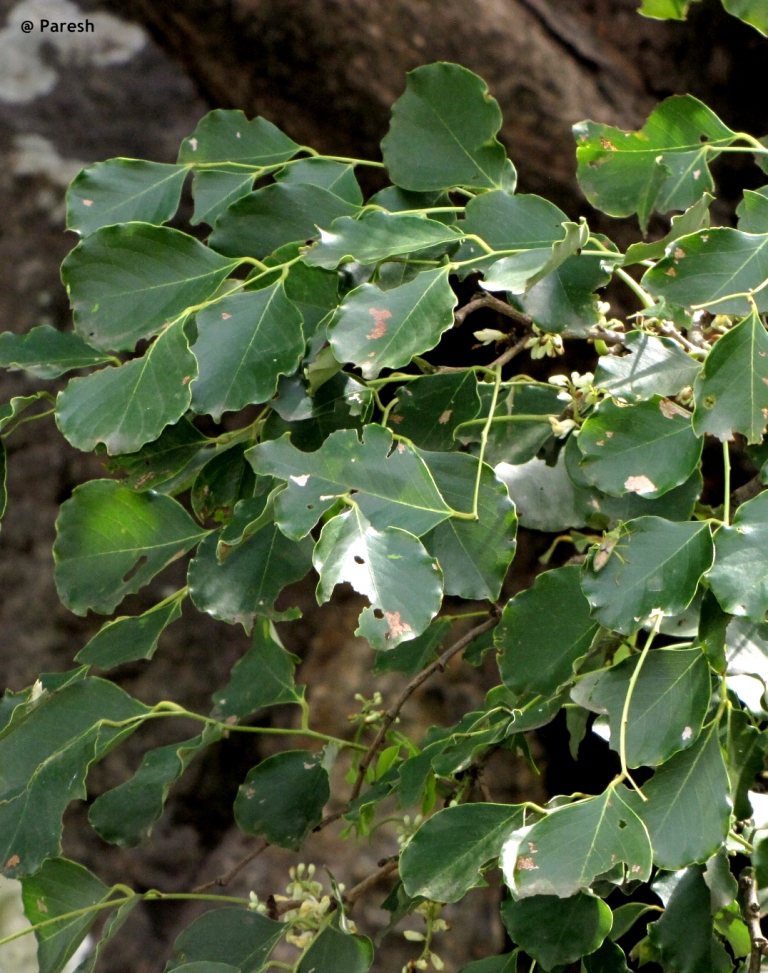
Black Rosewood (Dalbergia Latifolia/काळा शिसम, काळारुख) is moderate-to-large sized tree with a dome shaped crown of lush green foliage. The leaves of Shisham have pointing tip whereas the leaves of this species are blunt and broadly rounded with wavy margins. The broad leaves explains the species name latifolia.

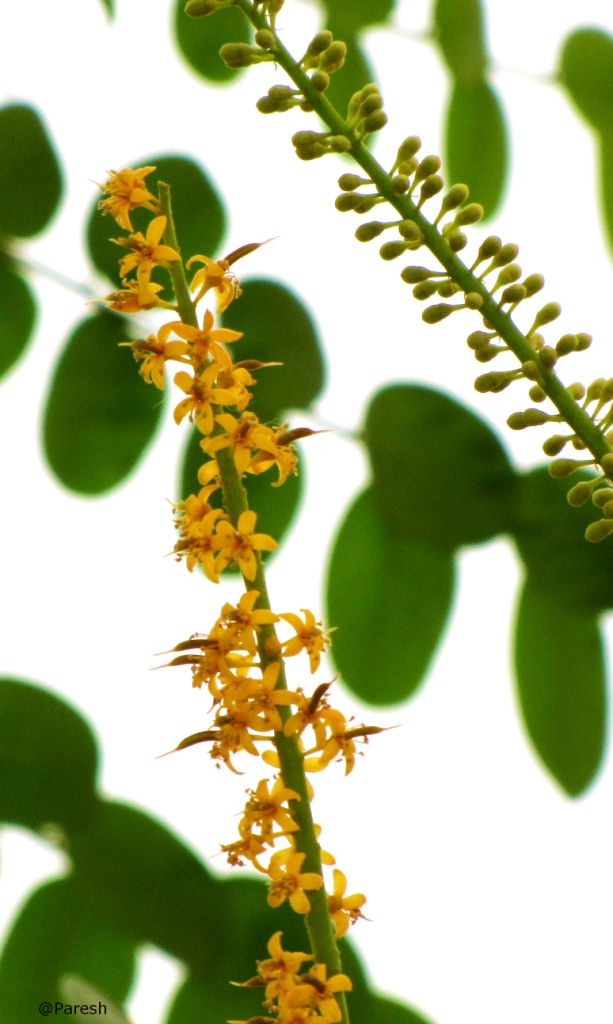
Furthermore, though it sheds its leaves, it can hardly be found leafless. It flowers abundantly in aromatic clusters of white colour creating an eye-soothing view. Due to these reasons, it is noted to attract number of birds, butterflies, insects and wildlife. Hence the tree needs to be introduced in home gardens in urban societies. 

Practically, Black Rosewood is quite similar to Shisham, including their use in agroforestry, apiculture, medicines, ornamental or soil improvement. It is also a Nitrogen-fixing tree and gives the nitrogen-rich foliage which is widely used as a green manure and fodder. Like other member of the genus Dalbergia, its honey is dark amber and strong flavoured.

In a drier habitat, the hardy tree is leafless for couple of months, regaining its leaves in April-May. In a moist locality, it is evergreen throughout the year. The species grows on a variety of soils. It grows best on well-drained, deep, moist soils & black cotton soils. The root system of the tree is well developed with deep tap roots and long lateral roots. It reproduces by seed, root sucker or cuttings. Although no treatment is necessary, soaking seed in cool water for 12-24 hours will hasten germination of seeds. 

Black Rosewood is widely used for reforestation of eroded soils. It is also planted as a roadside tree and shade tree. It acts as a soil improver. The leaf litter decomposes slowly releasing nutrients gradually and it is used as mulch. Medicines are made from the tannins in the bark, for diarrhoea, worms, indigestion, and leprosy. These tannins also produce an appetizer.

There is another species from the same genus, Dhobin or Phansi (Dalbergia Lanceolaria subsp. Paniculata/धोबीन, फणशी, दोंडूस) is a very conspicuous and handsome, deciduous tree. It is eye as well as ear catching tree when profusely covered with flowers and young leaves. The tree is actually loud with the buzzing of thousands of bees. Its flowers are white & fragrant.

This species is a moderately fast growing tree. It is recommended for reforestation projects on degraded land where seeds are unlikely to grow successfully. It is propagated by seeds. Young seedlings grow well in the dappled shade of the forest, but they become more light-demanding as they grow older. 

Different parts of trees particularly seed and bark are used in the Ayurveda; mainly to treat arthritic infections and inflammations.

The lesser known tree species has a great potential in Agroforestry. Dhobin has a symbiotic relationship with certain soil bacteria, these bacteria form nodules on the roots and fix atmospheric nitrogen. Some of this nitrogen is utilized by the growing plant but some can also be used by other plants growing nearby. In  other uses, it is used as wind  break for micro-climate enhancement, nectar source for honeybees, and in addition to these leaves are used as a fodder for livestock animals. 

Both these Rosewoods are excellent choice for farmers as well as city dwellers!

The Black Palash

Sandan (Desmodium Oojeinensis/तिवस, तिनसा, काळा-पळस) is a medium sized deciduous tree. Though very beautiful, the tree is very much neglected in urban area. It bears numerous flowers which are pinkish-white in colour, borne in short racemes. The new leaves add more beauty to it. Leaves are trifoliate, with large, rigidly leathery leaflets.

Flowering of the tree is conspicuous and afford a beautiful sight, making Sandan a versatile ornamental tree. It attracts number of birds and bees. The flowers of the tree have significant similarities to that of Palash except for the size & colour. The leaves shape is also similar up to some extent. Only significant difference is the bark of Sandan is somewhat dark brown. Hence in Marathi, tree is known as Kala Palas which means 'black Palash'.

The tree does well in lowland alluvial soils as well as on dry exposed sites & eroded hills. It also occurs on red clay, black cotton and rocky soil. Young trees and seedlings need a moderate amount of shade, but once established they require full sunlight for best development. Although young trees are frost sensitive, mature trees are hardy and drought tolerant. Sandan coppices well and produces abundant root-suckers. This characteristic is particularly useful for controlling soil erosion along steep banks and eroded hillsides.

Sandan also has numerous uses. The wood is hard, tough, close-grained, elastic and durable. It is highly valued in India for making agricultural implements. It is also a specialty timber for marine plywood. A red, transparent, astringent gum is obtained from the trunk. Bark fibres are suitable for making rope. Sandan has a range of medicinal uses which include astringent, antipyretic, anti-dysenteric.

It is propagated by seeds & root cuttings. Seeds should be soaked in water for 24 hours before sowing. This facilitates germination.

The tree comes up readily in blanks in the forest, on hilly slopes, landslips and bare places. In addition, this species has a symbiotic relationship with certain soil bacteria; these bacteria form nodules on the roots and fix atmospheric nitrogen. Some of this nitrogen is utilized by the growing plant but some can also be used by other plants growing nearby. This could make it a valuable pioneer agroforestry species!

Our Ecosystems : Soil

A farm, a rain forest or a residential colony..what is the similarity between these three? Well, the answer is that none of these familiar scenes could exist without soil. We simply can not survive without it. Soil is not just ‘what crops grow in’ as we know or not just ‘what full of bacteria’ as we see in soap advertisements; but it is much more besides. The reality is it plays an important role in producing our food, clothing and shelter we need. It also provides a base for our industries and many of our leisure activities. In spite of this dependence, we often treat the soil as if it were an inexhaustible resource which we do not need to care for! We take it for granted!!

Nowadays, most people are more aware of environmental issues. Acid rain, air pollution, global warming, conserving endangered plants and animals, to name but a few, have all received a great deal of attention in recent years. Yet why do we rarely consider that the soil beneath our feet may be affected by an equally diverse range of problems? To many people, soil is just ‘dirt’, something that is used for growing plants in the back garden, or that farmers use for producing crops. But there is far more to soil than this. Without soil, life as we know it simply would not be able to exist. Without a range of soils we would not be able to enjoy so many different habitats, plants and animals, nor would we be able to put the soil to the number of uses that we do to benefit society.

Soil is a vital part of the natural environment. It is just as important as plants, animals, rocks, landforms, lakes and rivers! How?

It harbors all of the plant species and provides a habitat for a wide range of organisms. It controls the flow of water and chemical substances between the atmosphere and the Earth, and acts as both a source and store for gases (like oxygen and carbon dioxide) in the atmosphere. Soils not only reflect natural processes but also record human activities both at present and in the past. It is therefore part of our cultural heritage.

Soil, together with the plant and animal life it supports, its position in the landscape and the climate it experiences, form an amazingly intricate natural system - more powerful and complex than any machine that man has created. Soil may look still and lifeless, but this impression couldn’t be further from the truth. It is constantly changing and developing through time. Soil is always responding to changes in environmental factors, along with the influences of man and land use. Some changes in the soil will be of short duration and reversible, others will be a permanent feature of soil development.

A difficulty with soils being underneath us is that we cannot really see when things are going wrong, as we can when plants and animals disappear or die.

But why we need to know all this?
Soil can look after itself, can’t it?

There is a tendency of humans to assume that everything is ‘all right’. But, in many parts of the world, misuse of the soil has brought about a whole list of major environmental disasters. In both the past and at present, this neglect has led to catastrophic consequences. The effect of drought on over-farmed land is a familiar example, but there is good evidence that the collapse of several ancient civilizations were influenced at least in part by mismanagement of the soil.

Whilst the situation around us is not like this, there are still several issues of concern. Soil erosion, pollution, acidification, loss of fertility and loss of organic matter all occur in different parts of the country. These problems result either directly or indirectly from using inappropriate management techniques on particular soils.

It should be evident that when we talk about nature conservation and environmental protection the well-being of soils must also be a major consideration.

Soil is essential for many of mankind’s activities. Yet it is a part of our environment which is frequently taken for granted. We only start to take notice when it becomes damaged in some way, for example by pollution or erosion.

Even then, the damage to the soil itself is not always the main issue. Instead, it is the follow-on effects on other parts of the environment that receive much of the attention. We must understand that the rate of soil development is extremely slow. It has taken hundreds, thousands and, in some environments, millions of years to produce the range of soils that exist today. The soil is not an unlimited resource to be lost or damaged by poor management as just a few years of inappropriate use can, in some instances, seriously harm a soil which has developed over centuries.

Soils are also home to an amazingly large number of different organisms. In fact, scientists believe that there are probably more individual species living below ground than above the surface. We have as yet only identified a fraction of them. Worms, beetles, caterpillars, ants and larger animals like rodents are all obvious soil creatures. However, just one teaspoon of soil will also contain up to several million protozoa (probably the simplest form of animal life), bacteria, algae and nematodes. Many of these species are vital to the proper functioning of soils.

The life sustaining ability of soil is best understood by appreciating the complex cycles of decay and erosion. Its natural formation occurs in a series of layers starting at the surface but gradating down to the deepest bedrock. The surface layer is where active decomposition begins. Exposure to atmospheric elements, surface warmth and moisture helps to break organic matter into loose mulch like material. At the microscopic level, this layer is teeming with a diversity of bacterial, fungal and algal life forms. In combination with larger organisms like beetles and worms they provide the additional recycling activity to enable minerals and nutrients to be retrieved from the decaying organic matter and returned to the soil. Another family of soil based micro-organisms are involved in relationships that enable plants to absorb nitrogen from their roots.

Ideally the layer directly beneath the surface will be humus rich topsoil. The quality of this topsoil will depend on the amount of organic material available near the surface and the activity of the recycling organisms. So if there is enough of organic matter and organisms, the soil there must be healthy and fertile.

But what do we actually do near our house..?

We don’t want the fallen leaves near our residence. So we either burn the leaves or do not allow the plants to grow there. Burning the garden leaves not only pollute the air & remove the moisture from soil, but it disrupt the soil biology also. We also want our surrounding to be clean and free of dirt. So we cover the soil with garden tiles.  And then, as per our eco-friendly gesture (???), we have no other option but to plant in pots or containers, & to buy the fertile soil from nurseries. If one really want to see how ‘eco-friendly’ this act is, then he/she should visit the site from which the nursery soil comes. The more effective, worthy, easy and cheaper way will be to protect & impregnate the soil we have..!

How?

One of the ways to achive this is by planting native trees on the ground soil and not in the garden pots. Composting and Mulching (the application of organic or inorganic material such as plant debris, compost, etc.) help to slow down the surface run-off, improves the soil moisture, reduces evaporation losses and improves soil fertility.

A coastal rainforest provides almost ideal conditions for the creation of richly fertile topsoil. With increased temperatures and humidity an abundance of organic material reaching the ground begins to decompose almost immediately. It is then broken down by organisms which thrive under the conditions. The entire process is accelerated resulting in a generous layer of finely blended topsoil.

From the perspective of the organic grower, good soil structures need to be protected. This can be achieved by minimizing digging, replacing disrupted layers in their correct order when necessary and renewing surface layers by providing a supply of organic material such as compost and manure. The addition of organic material will improve the water and nutrient holding ability of the soil.

Our future depends on the soil beneath us. In some countries, particularly like United States and Netherlands, soils are believed to be worthy of conservation. Both of these countries have specific legislation to protect soils and the Dutch express this by saying that we should regard ourselves as “guests in our environment, not masters of it”. Soils are far more important to human and environmental well-being than we often give them credit for. Just because they are out of sight, they should not be out of mind!

The Hard among Trees

Famed for its immense medicinal value, Indian Rose Chestnut, Cobra Saffron or Nagkesar (Mesua Ferrea/नागकेसर) is a handsome, medium-sized evergreen tree. Its botanical name Ferrea means 'belonging to iron' referring to its very hard & durable timber. It is often planted as an ornamental for its fragrant white flowers that yield a perfume.

The tree flowers during the dry season and flowers are bisexual. They has nice fragrance. The flushes of new leaves are produced just after flowering at the start of the rainy season. The new foliage can be strikingly attractive as it's red in colour which turns creamy yellow afterwards, giving the tree a wonderful appearance. The flower is the state flower of Tripura and the tree itself is the state tree of Mizoram.

The Nagkesar tree is very beautiful and known for its ornamental value. It is an attractive lawn tree with a regular, conical, bushy crown, vivid green leaves and showy, fragrant flowers. It is commonly grown along roadsides and in parks, a perfect species for urban plantation. Though it is equally useful, it is hardly considered as!

Environmentally, the tree very good! Its dense canopy provide shelter to many birds as well as shade. It provide abundant green manure for agriculture or garden. It also helps in Nitrogen fixing due to Endo-mycorrhizal associations. The seed meal of Nagkesar is a good source of protein & energy and its use as a feed ingredient for cattle is proposed.

Other uses include as a provider of good quality coal, tannin, dyes etc. The fragrant flowers are also used to stuff pillows, cushions and in cosmetic products & perfumes.

Medicinally, it is well known species in traditional medicine of Ayurveda and admired all over India as well as overseas. Many parts of the tree has digestant, antimicrobial, antibacterial, anti-inflammatory, antipyretic, anthelmintic and haemostatic activity. It can be used in the treatment of numerous ailments like fever, itching, nausea, leprosy, skin disorders, erysipelas, bleeding piles, metrorrhagia, menorrhagia, excessive thirst and sweating. It also known to enhance the complexion. It leads to fragility transparency to the skin. Oil from the seeds is used for sores, scabies, wounds and rheumatism.

Probably that's the reason, Nagkesar tree is considered sacred in India!

The Future of Biofuel

It must have been 40° C + outside, but when you spot this tree, it provide a nice green canopy and offer a cool, soothing welcome despite of the heat. Indian Beech tree, Karanj or Pongam tree (Millettia Pinnata/करंज) is an ever-green, moderated sized tree.

Pongam tree is very beautiful tree with attractive, showy, fragrant flowers; borne on racemes, are pink, light purple or white in colour. It attracts many small birds and butterflies like the Cerulean, Blue Tiger & Common Crows. They are considered good sources of pollen for honey bees. Many of these trees are just coming into bloom in the city. The flowers and new leaves generally appear together. When the trees are in flower the ground below them is usually carpeted with blooms. The flowers are used by gardeners as compost for plants requiring rich nutrients.

It is a very hardy tree and can adapt itself to varying conditions. Pongam tree can grow on most soil types ranging from stony to sandy to clayey, including Verticals. It does not do well on dry sands. It is highly tolerant of salinity and is an ideal candidate for saline soil reclamation. It is common along waterways or seashores, with its roots in fresh or salt water.

The tree is well suited to intense heat & sunlight and its dense network of lateral roots and its thick, long taproot make it drought-tolerant. The dense shade it provides slows the evaporation of surface water and its root nodules promote nitrogen fixation. Pongam tree is one of the few nitrogen fixing trees to produce seeds containing 30-40% oil.

The seeds has variety of uses. It yields thick reddish oil used for burning and for skin diseases as having bactericidal and anti-fungal properties. It also is very effective against white flies, mites and other sucking pests in all crops. In fact, almost every step in the life cycle of Pongam seeds results in a safe and useful product. Once the oil has been extracted from the seeds, the remaining seed-cake can be mixed with water and placed in an airtight environment where it ferments, producing a flammable gas and a slurry, which is a safe and highly effective organic fertilizer. The gas can be compressed and stored in small tanks for use as cooking fuel. (Biogas burns far cleaner than wood or cow dung, the traditional cooking fuels, and so causes fewer respiratory disorders.) Widespread use of gas for cooking could also help curb the rampant deforestation common to areas where wood is used as a primary fuel. The seed-cake has other uses as well.

Incorporation of leaves and the seed-cake into soils improves fertility. Dried leaves are used as an insect repellent in stored grains. The seed-cake, when applied to the soil, has pesticidal value, particularly against nematodes. Pongam tree is a fast growing tree which gives valuable fodder for livestock, especially in arid regions. They are also used as green manure. String and rope can be made from the bark fiber.

If that's not enough, the oil can also be used as Biodiesel in motor engines! Or rather, it is being used worldwide. Even in India, the Karnataka state transport department has operated buses on a diesel blended with 30% Pongam oil.

On a global scale, biofuels reduce the net emission of greenhouse gases, especially carbon dioxide. While it is true that any burning fuel releases carbon into the atmosphere, fossil fuels are composed of carbon previously stored below the earth’s surface in the form of oil, natural gas & coal, and as they burn they release a new load of carbon into the air. On the other hand, the carbon content of biofuels like Pongam oil has been taken directly from the atmosphere as the tree grows- on average, one hectare (2.47 acres) of Pongam tree absorbs 30 tons of carbon per year. Thus burning Pongam oil instead of fossil fuels has the overall effect of reducing carbon dioxide emissions by about 75% and carbon monoxide emissions by almost 50%. So planting Pongam tree may even help slow global warming.

The Pongam tree is easily raised from seeds. It is often planted in homesteads as a shade or ornamental tree and in avenue plantings along roadsides and canals. It is a preferred species for controlling soil erosion and binding sand dunes because of its thick long taproot and network of lateral roots.

In the traditional systems of medicines, Ayurveda and Unani, it is described that the tree possesses medicinal properties. Be it its root, bark, leaf, sap or flower. The tree is used as anti-inflammatory, anti-plasmodial, anti-hyperglycaemic, anti-lipidperoxidative, anti-diarrhoeal, anti-ulcer, anti-hyperammonic and antioxidant agent.

Pongam tree will do more than provide a steady source of biofuel; adult trees create shade and fix nitrogen in the soil, revitalizing scrubland into thriving fields from which farmers can maintain their livelihood.

The Tiger Claw

The more than a pretty tree..Indian Coral tree (Erythrina Stricta/पांगारा) is a showy, moderately spreading tree with brilliant red blossoms. It is highly valued ornamental tree which often regarded as one of the gems of floral world!

The Indian Coral is a beautiful thorny deciduous tree. The tree is a captivating sight when in bloom, with clusters of bright, orange-scarlet up-facing flower clusters sitting at the end of branchlets. This arrangement give the tree its name Tiger Claw. A Coral Tree in full bloom is always like an aviary. Sunbirds, Tits, Barbets, Mynas, Rosypastors, Babblers and Parakeets, as well as numerous bees and wasps swarm round the tree in noisy eagerness. By their love of the nectar, the flowers become fertilized. 

It is a useful agroforestry species for soil enrichment. It modulates readily and prolifically in both acid & alkaline soils. It tolerates a wide range of soil conditions and grows best in drier soil. It is widely used as a windbreak for soil and water conservation. The tree is said to have a beneficial influence on the soil owing to the nitrogen-feeding bacteria contained in the nodules on the roots. Hence the tree is also used in cultivation. The trees have a strong, vertical root system that does not seem to compete with adjacent crops. Its leaves also makes an excellent feed for most livestock containing fair amount of crude protein.

Coral tree is a good source of organic matter for green manure. The nitrogen rich litter-fall decomposes rapidly, making nutrients available for plant uptake. The dry foliage normally contains from 1 to 3% nitrogen. The aqueous leaf extracts of the tree have also proven highly toxic to certain nematodes which are crop-pests. Other uses contains as a support for the vine crops, as a shade tree etc.


This legendary tree is supposed to have been grown in Lord Indra's garden, from where Lord Krishna stole the flowers. Then His wives Rukmini and Satyabhama quarrelled for the possession of the precious blooms. May be because, the tree has a reputation in ancient Indian medicines. The bark and leaves are used in many traditional medicines, including Paribhadra, an Indian preparation said to destroy pathogenic parasites and relieve joint pain. Further, the extracts from the tree are used effectively against number of ailments like to kill many worm infestations, to stimulate lactation & menstruation, to relieve rheumatic joints and as a laxative, diuretic & expectorant.

Indian Coral tree is easily propagated from seed or cuttings. And generally requires little maintenance. Once established, seedlings grow rapidly. That makes the tree a perfect choice for gardens!

Simple Sober Sissoo

Though it is known as a deciduous tree, it can gift you dense shade nearly year-round! The Indian Rosewood or popularly, Shisham (Dalbergia Sissoo/शिसम, शिसव) is an awesome almost-evergreen tree with many benefits to its name.

Shisham can start producing flowers profusely as early as 9 months. The small bisexual flowers are borne on small branches from the leaf axis. It is a  medium-to- large sized, hardy tree which do not require much care. And with its multiple uses or gifts as what I call them, tolerance of light frosts and long dry seasons, this species deserves greater consideration for tree farming, reforestation and agroforestry applications. After Teak, it is the most important cultivated tree in India, planted on roadsides and as a shade tree for tea plantations. It is moderately fast growing tree which gives excellent charcoal, coppices well enough, gives good fodder, used for erosion control as a living barrier against soil movement. Hence it may be planted as one component of a multi-tiered home garden system, where it contributes in several environmental factors. Probably, that's the reason Shisham is honored to be the state tree of Punjab. 

Young branches and foliage form an excellent fodder. The foliage has normally been used as emergency feed when other fodder sources fail. It also is a useful source of honey. The honey produced is dark amber with a strong flavour. Many medicinal uses for its fresh leaves, dried bark, and wood rasping are reported from its native region. Shisham is reported to be a stimulant used in folk medicine and remedies. Oil obtained from the seeds is used to cure skin diseases. The powdered wood, applied externally as a paste, is reportedly used to treat leprosy and skin diseases.

Shisham is also known to have some pesticidal properties. It is propagated from seeds & cuttings. Seeds should be soaked in water for 48 hours before sowing.

Other agricultural uses include as a windbreak in Mango, coffee and tea plantations. These shade-loving crops also benefit from improved soil fertility under the tree. Due to its vigorous reproduction through suckers, it is useful for stabilizing eroding sites. It is therefore found in a variety of wastelands, where it is known as a colonizing species. The tree is known to fix the atmospheric nitrogen with the help of nodules. Also, heavy litter fall decomposes to enrich the soil with nitrogen, phosphorus and organic carbon. Thus improving soil fertility. 

The tree has beautiful whitish yellow, fragrant flowers which appear in dense clusters. But in their absence also, it looks equally beautiful due to its  leaves which are leathery, alternate, pinnately compound. Shisham is widely used for ornamental purposes in urban and roadside plantings in the Indian subcontinent and in other parts of the world. The fact that makes the tree even more attractive is it has an unusual amenity use as a host for orchids. Hence it is noted as one of the most desirable trees for streets and backyards everywhere. It has also been used for landscaping along the shores.

Madhuca..The Honey Tree

Mahua or Mohwa (Madhuca Latifolia/मोह, मोहवा) is large, handsome, deciduous or semi-evergreen tree native to India. It has thick leathery leaves and small, fleshy, dull white musk-scented flowers which appear beautifully in clusters near the end of branches.

Mahua is one of the most important tree in the tribal belt of Central India and that’s too because of its delicious & nutritive flowers. The tree has got cultural and economic importance. Though it starts flowering after 10 years of age, once established the flower production increases with age. The flowers are edible and rich source of sugar, protein, vitamin & minerals. Mahua is a significant source of food for tribal people in Central & Western India. Its sweet flowers are eaten unprocessed or cooked.

Though almost all of flowers collected in tribal region is utilised for liquor production, there is huge potential and technologies available for product diversification of Mahua. Mahua concentrate is extracted from fresh Mahua flowers and can be used for making non-alcoholic Mahua products like jams, jellies and squash. Dried flowers can be used in making Mahua pickle, Mahua kismis and other food items like bakery and confectionery goods. Mahua oil is mostly used in the soap manufacturing.

Mahua is also one of important Agroforestry species. Its leaves, flowers and fruits are lopped for goats and sheep. Seed cake is also fed to cattle. Mahua oil is used to treat seeds against pest infestation. Mahua has a large spreading superficial root system that holds soil together, thereby help in erosion control. Still it can be raised with agricultural crops. Mahua can grow on and be used for reclamation of wasteland with hard lateritic soils. Furthermore the vesicular-arbuscular mycorrhizal associations and root colonization have been observed in Mahua. The seed cake has been used as cheap organic manure and possess insecticide property. The wide spreading crown provides shade for animals. Mahua is occasionally planted as an avenue tree or along the boundaries of fields.

From the seed kernels (fruits), a yellow oily substance is extracted, further processed and refined which is called Mahua Butter. Possibly, it gives the tree its name Butter tree. It is largely used by the jungle tribes for cooking or else sold for making soap & candles. The residue makes a good manure and is widely used on lawns as a worm eradicator. It is also widely used in skin ointments as it melts immediately upon contact with the skin. It prevents drying of the skin and may hinder the wrinkle development, it reduces degeneration of skin cells & restores skin flexibility. The tree is also a potential source for Biodiesel.

The fruits too, both ripe and unripe, are valuable, all parts being used. The outer coat is eaten as a vegetable and the inner one dried and ground into meal. Animals, particularly deer and bears, love the fallen flowers. Birds, too, enjoy them and peafowl can often be seen around the trees at sunset and dawn. Cut flowers, stems and branchlets exude a thick, milky sap which is extremely sticky and astringent. It is used for curing rheumatism. Many plants with a milky secretion are poisonous, but that is certainly not the case with the Mahua. Medicinally, it has immense usefulness ranging from common, everyday illness to chronic ones like bronchitis, rheumatism, diabetes, pile or bleeding gums.

The Mahua tree truly justifies its botanical name madhuca which means sweet in Sanskrit. It is sweet to everyone, everything and everywhere..isn't it?! :-)

The Saga Tree

Coralwood tree is a beautiful and unfortunately an underutilized tree of India. This useful tree has long been an important tree in Southeast Asia since ages. It is a hardy, fast growing tree that requires relative little maintenance. The beautiful tree has red, glossy seeds due to which it is also known as Red Bead tree (Adenanthera Pavonina/रतनगुंज, थोरला गुंज).

The tree is not only used for ornamental purposes, but it has many other uses also. Firstly, Red Bead tree is very beneficial to our environment. It is a valuable agroforestry species. The tree can fix the atmospheric nitrogen and thus help rejuvenate soil. Further, it also provide useful mulch. The small leaves break down easily, giving a good green manure. It is compatible with most tropical field and tree crops, making it suitable to use in integrated production systems. It can be interplanted among field & tree crops such as spices, coffee and coconuts or along field borders as part of a windbreak . The tree resprouts new branches easily & so is not damaged by harvesting for fodder. The leaves can be used a supplemental source of fodder, as the leaves are fairly high in digestible crude protein (17-22%). It also acts as a host plant for butterflies like Plain Nawab. 

There are historical accounts from Southeast Asia and Africa of using all parts of Red Bead tree for traditional medicines. In our Ayurvedic medicine, various parts of the tree are used against rheumatism, gout, headaches, migraines, dysentery, diarrhoea, tonsillitis etc. In Ancient India, the ground seeds are used to treat boils and inflammations. The bark was used to wash hair as it contains saponin. A red dye is obtained from the tree and used by the Brahmins in India to make religious markings on their foreheads and for dyeing clothes. The tree also yields very good charcoal. 

The interesting fact about its red, glossy seeds is- They were used in ancient India for weighing gold, silver & diamonds, because the seeds are curiously similar in weight, four seeds making up about 10 gramme. In fact the name 'Saga' is traced to the Arabic term for 'goldsmith'. Isn't that funny?! The seeds are also used as beads in jewellery, necklaces, rosaries and as toys.  The ground seeds can produce an oil which was used as an industrial lubricant. Seeds are probably eaten and dispersed by birds. The seed coat is extremely hard. For cultivation, manual scarification &/or immersing the seeds in boiling water for one minute may increase the chances of germination. The hardy tree can grow on variety of soils..from deep, well-drained to shallow & rocky.

The Red Bead tree is extensively cultivated as an ornamental for planting along roadsides and in urban areas, though notably for its red, glossy seeds; the flowers are equally beautiful in light creamy yellow to orange colour, with a sweet fragrant smell. Individual flowers are small and star-shaped, with five tiny petals. The fast growth and spreading crown of light & feathery foliage offer attractive shade, making it suitable for plantation in gardens. 

The Flamingo Bill

The Agati is an awesome tree with beautiful, showy and eye-catching flowers. It is also known as Flamingo Bill (Sesbania Grandiflora/हातगा, अगस्ति) due to resemblance of its flowers to the bill of Flamingo birds. It is a very fast growing tree that produces forage, food, fertiliser, green manure and holds promise for reforesting eroded wastelands throughout tropics.

The Agati tree combines very well with agri-culture. It is often maintained in gardens and around crop fields for its contribution of nitrogen. It has excellent root nodulation which fixes nitrogen. It is a well-suited perennial for dense planting, growing for short periods and ploughing under to improve soil before planting food crops. The light shade cast by its canopy does not block much light, allowing the growth of companion plants. Falling leaflets, flowers & pods make excellent green manure or mulch and recycle nutrients to the ground, thus improving soil fertility. Furthermore, it is well-suited for ornamental purposes due to its giant showy flowers. Hence Agati is one of the perfect trees suitable for plantation in urban societies & gardens. It has also been used as a living fence and to shade nurseries & some crops such as coffee, tea, cocoa, and as windbreaks for citrus, banana & coffee.

Be it its leaves, seed pods or flowers, all are edible and nutritious too! Flowers are the most widely used part and are eaten as a vegetable in India. It can be used as a common vegetable, even raw or steamed & cooked in soups, bhajiyas and stews after the stamen & calyx have been removed. Hence these flowers are sold in the market. Young leaves can also be eaten, usually chopped fine & steamed, cooked or fried. Tender pods are eaten as string beans.

Leaves of Agati serves the purpose of fodder not only for livestock but for butterflies also. It is an excellent supplement to dairy cows fed predominantly grass hay. The tree produces leaves for fodder within 4 months of establishment. Even tender pods are valued for nutritious fodder. The leaves contain 36% crude protein (dry weight) & vitamin A. The most effective method of feeding the fodder to ruminants is to supplement with it up to 15-30% of the total diet. Because of its high protein content, Agati should not be solely fed to animals but should be combined with a roughage that is low in protein and high in energy, such as rice or maize straw.

The Agati tree also provides a clear gum which is used in foods, adhesives and tannins. Its medicinal properties include antibiotic, anthelmintic, antitumour and contraceptive actions. The bark is considered as a tonic & antipyretic, a remedy for gastric troubles, colic with diarrhoea & dysentery. In India, all the parts of Agati are reputed to cure night blindness. The root is a well-known medicine for malaria. The principal medicinal effects are due to the tree’s astringency, hence it is used against inflammation, venom, bacterial infections and tumors.

Agati is outstanding in its ability to tolerate water-logging and is ideally suited to seasonally waterlogged or flooded environments. When flooded, they initiate floating adventitious roots and protect their stems, roots and nodules with spongy, aerenchyma tissue. Another outstanding feature is its tolerance of both saline & alkaline soil conditions. Agati can be propagated easily by cuttings & seeds.

There is another species from the same genus which has got some controversy to its origin..Common Sesban (Sesbania Sesban/शेवरी, जयंती). Though some experts consider this tree as a exotic species, it has a long history of use in India, primarily as a green manure and a source of 'cut and carry' forage.

Common Sesban has many similar properties to that of Agati tree..like food, fodder, fertilisers, nitrogen fixation, ornamental, windbreak, shade and even some medicinal properties. It has beautiful yellow coloured flowers and this coppiceable tree can be propagated easily by seeds.

In India, Sesbanias have had a long history of agricultural use, primarily as green manures and as sources of forage. Being legumes and ability to improve soil condition, these trees has proved to be popular as a fallow species and as a important agroforestry species.

No rose without a thorn!

Here is the most ignored, underestimated & least valued tree, at least in urban area. Unfortunately, that's the area where it needs the most! It is never planted near house, societies or in gardens and even the grown trees are cut due to its thorny branches. But this thorny tree has much to offer..both, to humans as well as to birds & wildlife.

Babool tree (Acacia Nilotica/ बाभूळ, बाभळी) is the important indigenous species throughout India, particularly in arid & semi-arid areas. The tree is particularly important in India's drive to recover wastelands.

Babool has number of uses to its name. Almost every portion of Babool is used for various purposes. This sturdy tree is useful in agroforestry, apiculture, soil improvement &  its conservation. Generally, it is used for fodder, agricultural implements, tannin extraction, tooth brushes, ayurvedic medicines & shampoo.

The tree improve soil fertility by adding organic matter & releasing nutrients through litter fall. The main advantage of this tree is its fast biological nitrogen fixation, ability to establish on nitrogen-deficient & drought prone soils and suitability for agroforestry systems. Thus it can be used in rehabilitation of dry lands. The tree also finds place in the list of pollution-tolerant species.

The green portions of Babool & its pods form a valuable fodder in arid areas. Its leaves are very digestible & has high levels of protein. Hence favoured by cattle, goats & sheep. It can tolerate browsing & coppices fairly well. It makes an impenetrable fence & a good protective hedge because of its thorns. Recommendations based on research results suggests that it grown on 8 year rotation along field boundaries assures good profit for farmer. The bark has high levels of tannin which are used for tanning leathers. It also gives good quality charcoal. The tree makes a good host plant for growing Sandalwood (Santalum Album/चंदन) and for lac insect,  which produces lac, an important source of shellac. The gum is used in paints & medicines and as a substitute for gum-arabic. It may be used as a demulcent & astringent or for conditions such as gonorrhoea, leucorrhoea, diarrhea, dysentery or diabetes. The green pods are an important source of natural antioxidants.

Beauty lies in the eyes of the admirer! And this absolutely true in case of Babool. Its aromatic flowers appear in globulous heads in a bright golden-yellow color and are popular bee forage. Pods are tomentose, deeply constricted between seeds giving a necklace appearance. Interestingly, due to its thorns, the tree is favoured by small birds like sparrows, sunbirds, prinias & munias. The thorns act as a protective barrier against larger birds making this tree a nesting site for these small birds. The tree is one of the only few natural habitats available for sparrows. So together with various high-pitched voices of small birds, butterflies & bees; isn't the tree look wonderful?!!

This almost-evergreen & sturdy tree is easily propagated by seed (seldom planted in gardens), self sown in many areas. Soaking seeds in water for 12-24 hours gives good results. Babool can tolerate & thrive on degraded saline or highly alkaline soils. The tree is salt tolerant & can grow near the sea, even along salt marshes. It withstands extremes of temperature from -1° to 50° C. It also tolerates extreme drought & needs very little water. Probably, that's the reason the tree is used to fight desertification. It is even resistant to temporary flooding & can grow in waterlogged soils for long periods.

Another deciduous species of Acacia namely Cutch tree (Acacia Catechu/खैर) is also an important tree in Indian agroforestry. It gives two commercially important products catechu & cutch. Catechu as a edible product katha and Cutch is used as a tanning agent for leather, a dye for canvas, fishing nets, mail bags etc. It has got medicinal properties that can be used to treat diarrhea, dysentery & wounds. The tree also serves as a host for lac cultivation & its leaves are used as fodder.

There are two more native species which are used in Indian agroforestry practices. White Bark Acacia (Acacia Leucophloea/हिंवर) has great potential as a reforestation species for degraded sites. It grows well on alluvial or infertile soils also. The tree fixes atmospheric nitrogen through a symbiotic relationship with Rhizobium bacteria which enables it to survive on infertile sites. Gum Arabic Tree (Acacia Senegal/कुम्ठा) is highly valued for centuries for gum-arabic production. It plays a secondary role in agricultural systems, restoring soil fertility & providing fodder. This deciduous tree is important for desertification control through sand dune stabilization and wind breaks. It protects wastelands from being further degraded & even tolerate industrial pollution.

All of them are very useful, ain't they? Its very true to say, there in no rose without a thorn!

The Joyous Tree

It is a very famous ornamental tree. But very few know that the tree can be a very good Agroforestry tree as well. Golden Champa (Michelia Champaca/सोनचाफा) is an evergreen tree and mainly cultivated for its strongly fragrant yellow or white flowers.

The flowers of Golden Champa are best known and used in India for several purposes. They are primarily used for worship at temples, floated in bowls of water to scent the room, as a fragrant decoration for bridal beds, for garlands, in religious ceremonies and generally worn in hair by women as a means of beauty ornament as well as a natural perfume. A yellow dye is extracted from the flowers and is used as a base for other colours. The flower is the main scent present in the commercial 'Joy' perfume, most expensive perfume in the world; hence sometimes is called as Joy Perfume tree.

Golden Champa is a very useful agroforestry tree too! It is known to fix the atmospheric nitrogen in soil with the help of vesicular-arbuscular mycorrhizae. Its leaves provide very useful mulch. It improves the soil under tree cover by increasing pH, soil organic carbon and available phosphorus. Hence it is used to reforest badly eroded areas. Its leaves are used as larval fodder by silkworms & butterflies. It has potential for commercial exploitation for oil production for various uses. Other uses includes as a wayside tree & near temples for ornamental. The tree is seldom cut on account of it being considered as sacred. It can be propagated by seeds but seeds should be sown as soon as possible after collection.

The tree also possesses medicinal properties. Leafs extract and seeds extracts shows fungicidal & antibacterial activity respectively. A decoction of the bark and leaves is given after childbirth; the bark is used as a febrifuge. In Ayurveda, the tree is mentioned to pacify vitiated tridosha, detoxify poison, worm infestation, increase digestive power, diuretic and cures fever. Flowers reduce burning sensation, cures skin disease, even leprosy & ulcer.

These are flowers you don't have to stick your nose in as the scent can be enjoyed several hundred feet away from the tree, even while driving by the tree. However, you really can't stop sticking your nose into a flower over and over again. Nectar insects & butterflies appear frantic, driven like drug addicts, bashing into each other to get to the heart of every flower on the tree. The extremely aromatic orange blooms & fruits appear nearly all year round. Its aril-covered seeds are highly attractive to birds & squirrels.

Planting a Golden Champa tree in your backyard really makes your home a sweet home. Also you could take the flower, home made natural perfume. It emits a unique warm fragrance which promotes a peaceful state of mind, reducing stress and allowing one to relax and breathe easily. Looks like it is specially designed for moments of tranquil contemplation. Its the nature of Champa to remind us of the Divine in all things.

Sarasa..The Superior

A robust, attractive & adaptable tree that tolerates acidic, alkaline and even eroded soils..Indian Siris (Albizia Lebbek/सरस, शिरीष). It is a fast-growing, deciduous tree having a spreading umbrella-shaped crown of thin foliage. Indian Siris is one of the All-Rounder tree we have..

Indian Siris is used as a folk remedy for many ailments. It has a long history of use in Ayurvedic herbal medicine for the treatment of asthma and allergic disorders. Its leaves, seeds, bark and roots are all used in traditional Indian medicine. The tree has been reported to possess anti-allergic, anti-oxidant, anti-inflammatory, anti-convulsant, anti-microbial, anti-ulcer and even anti-psychotic activities. It has been used successfully in Ayurveda for the treatment of boils, cough, asthma, bronchitis, leprosy, eczema, pruritis, paralysis, abdominal tumors, gum inflammation and worm infestation.

Siris tree is widely used in agro-forestry practises due to its multi-purpose benefits. It is one of the most promising and excellent fodder tree for arid & semi-arid regions. The nitrogen-rich leaves are valuable as mulch and excellent green manure. Due to its extensive root system, it is recommended for eroded lands like river embankments. Good soil-binding ability makes it useful for soil conservation plantings. Its a good tree for reforesting dry, alkaline soils. It is tolerant to drought and can survive even in grass fires.

One of the most interesting aspects of Siris is that, in addition to providing feed directly, it appears to enhance pasture production and quality. The tree is capable of fixing the nitrogen, coppices fairly well and grows moderately fast. Another common use is as an avenue tree and sometimes it is used to shade coffee and tea. Its whitish-cream colored flowers (The flowers should not be confused with that of exotic Rain tree which has similar flowers but pink in colour) are fragrant, attracting bees. Bee keepers like the species for the light-colored honey its nectar provides. Its leaves also serve as the larval food for butterflies.

The bark contains saponins and tannins, used for making soap and in tanning respectively. Its bark yields a reddish-brown gum that is used as a substitute for gum arabic. It is an excellent charcoal species. It is also pollarded to use as a host for the lac insect Kerria Lacca.

Siris tree can be propagated by seeds. Seeds may be sowed without pre-treatment, although soaking the seeds in cool water for 24 hours, increases germination rate. When agitated by the wind, the pods and enclosed seeds are said to produce an incessant rattle like women’s chatter, hence the name Woman’s Tongue. :-)

The King of Deserts

Some must have heard about this tree in our great epics Mahabharata and Ramayana. The tree that represents the Goddess of Power is worshiped by Pandavas who hid their weapons in it during Agyatavasa as well as Rama before advancing his army to kill Ravana. But the greatness of Khejri tree (Prosopis Cineraria/शमी) is not limited to this mention.

An evergreen thorny tree which can grow in very harsh climate & in poor soil, well adapted to the arid conditions and also stands well to the browsing by animals. Khejri withstands hot winds & dry seasons and exhibits considerable drought hardiness. The tree reproduces freely by root suckers and establishes well from seeds too. The seeds should be soaked for 24 hours before plantation.

Khejri is reported to be astringent, demulcent & pectoral too, a folk remedy for various ailments. The bark, considered anthelmintic, tonic & refrigerant, can be used to treat a variety of other ailments such as asthma, bronchitis, dysentery, skin disorders, leprosy, muscle tremors, piles and wandering of the mind too!

But the value of the tree goes much beyond its medicinal properties.

The root system of Khejri is long, deep & well developed, securing a firm footing for the plant and allowing it to obtain moisture from ground-water. It do not compete for moisture and nutrients with crops. A symbiotic relationship with some bacteria allow it to fix nitrogen in the soil, improving soil fertility. Furthermore it also adds organic matter through leaf litter decomposition, rejuvenating poor soils. It coppices readily & profusely. Owing to all these, Khejri is compatible with agrihorticultural crops. The tree boosts the growth and productivity of the companion plants.

Due to its importance in afforestation of arid & semi arid areas, rural communities encourage the growth of Khejri in their agricultural fields, pastures & village community lands. Because of its extensive root system, it stabilizes shifting sand dunes and is also useful as a wind-break. Because it is the only tree species in arid regions, it provides provides much needed shade & shelter to the farmers working in the fields as well as to the cattle & wildlife during the summer months.

Khejri pods are used as vegetable in the dried and green form in many parts of the Thar desert. In Rajasthan, during times of famine, people used eat the bark of the tree. It being an excellent fuel, gives high-quality charcoal. The tree yields a pale to amber coloured gum with properties similar of gum acacias. Bark and leaf galls used for tanning. It is one of the much valued & best browse plants for cattles, sheep, camels.

Being such a multi-purpose tree, no doubt it is highly worshiped by Bishnoi community. In Rajasthan, the tree is treated with the reverence that the Banyan & Peepal command elsewhere in India. Its a state tree of Rajasthan. In 1731, Amrita Devi sacrificed her life to protect Khejri trees with 363 other people who were also killed defending the trees.

In some parts of south India, the leaves of the Khejri are soaked in water until the day before Diwali when people bathe with this water. People consider it to be symbol of good luck. The tree is worshipped with the recitation of the special prayer, asking for victory over one’s defects..

Shami Shamayate papam shami lokhitkantaka
Dharinyarjunbananam Ramasya priyavadini
Karishmanyatraya yathakal such mya
Tatra nirvighanktri twam bhav Sree Rampujite

Meaning: The Shami tree cleanses sins. Its thorns are reddish in colour. It is Lord Rama's favourite tree and in such a tree Pandavas hid their arms. O Shami, Lord Rama has worshipped you. I now embark upon my journey to victory. May you make it pleasant and free from obstacles!