The Environment vs Development Dilemma

Recently, Nashik has made it to the national fame. Many century-old trees were cut for the developmental needs. The citizen of Nashik and nature-lovers have strongly opposed this act of Municipal Corporation. The conflict has spurred discussions on sustainable development, with many urging the government to use urban planning techniques that incorporate trees into city landscaping rather than removing them. 

But this kind of 'development' is taking place all over the world. In major cities like Delhi, Kolkata & Mumbai, the air quality index regularly exceeds hazardous level. Lifelines of civilization, our sacred rivers, now hardly flow. Climate change and global warming are no longer distant warnings, they are lived realities. Our water bodies are drying up, air is becoming unbreathable and forests are vanishing. And we are relentlessly extracting oil, water, coal, minerals, and metals from Mother Earth. Forget food, if current trends continue and no drastic action is taken, nearly 40% of India’s population may lack access to potable water by the year 2030.

In recent years, we have witnessed a peculiar and persistent conflict - between development and environmental conservation. On one hand, development demands infrastructure like roads, electricity, housing, factories and amenities, all of which rely on natural resources like water, forests, minerals and land. Unsurprisingly, their extraction leads to pollution, shrinking rivers, deforestation and a polluted ecosystem. On the other hand, when we move towards environmental conservation, it often seems that the pace of development begins to slow down. As if there exists a natural conflict between the two. We find ourselves caught in a kind of a moral dilemma, where every choice comes at a cost. Prioritizing development often comes at the expense of nature, while prioritizing conservation can hinder economic progress and the fulfilment of basic human needs.

Does development conflict with the environment? There is a widespread belief that it is so. This explains why there is a constant refrain from some economists and policymakers about the rigid environmental laws of the country stalling ‘development’ projects like industrial corridors, highways and other infrastructure projects. The tension between economic development and environmental conservation is not unique to India, but the scale of projects undertaken in the country has drawn significant attention. India, one of the fastest-growing economies, requires improved infrastructure, energy projects, and urban expansions to meet the demands of its population and global market competitiveness. However, this rapid growth has placed immense pressure on natural ecosystems, particularly forests. Several large-scale development projects have been flagged for causing extensive tree felling: Highway Expansions, Urbanization, Industrial & Special Economic Zones (SEZs) and Mining Projects.

Its true, the environment faces grave challenges, but we must also recognize that millions of people around the world still struggle to meet their most basic needs. Can we expect someone who doesn’t have two meals a day to understand and act upon ideas like 'Sustainable development' or 'Carbon footprint'?

Once a society meets its fundamental needs, it naturally aspires for a better life. This desire is neither surprising nor wrong. A person who owns a bicycle may dream of a motorcycle, the motorcyclist of a car, the car-owner of a yacht. Similarly, someone in a mud house may long for a concrete house, and so on. This is the nature of human aspiration to seek comfort and progress.

But the question is not whether these desires are valid. The real question is: Can nature support them all? Are Earth’s land, water, air, minerals, and energy sufficient and everlasting to fulfil the growing aspirations of every individual? Resources are finite, but human desires can be infinite.

This is where we need a holistic vision: one that upholds both environmental sustainability and human development. If natural resources are used judiciously, equitably and with shared responsibility, we can protect the environment and address deep-rooted issues like poverty, inequality and the very basic nature of the human i.e. growth. In Indian philosophy, there is no division between human and nature. Nature is not just an external reality, it is an extension of our inner being. When we call Earth 'Mother', it is not a poetic metaphor, but a deep experiential truth. She nourishes, shelters and sustains us. Caring for the environment does not mean halting development; it means choosing a form of development that walks hand-in-hand with nature. Incorporating principles like refuse, reduce, reuse, recycle and embracing a zero-waste lifestyle is not just ethical; but also, is essential. Energy use must be mindful; water and electricity must be conserved. Simplicity is not a regression. In fact, it is an elevation of thought.

Nature can flourish without us, but we cannot survive without nature. Let us not forget that if we continue to exploit nature, and if - out of balance - it begins to respond with equal intensity, the outcomes will be beyond our control. Just as humans are breaking their natural boundaries, if animals and ecosystems were to do the same, the consequences would be devastating.

The path ahead lies not in choosing between environment and development, but in realigning development with the deeper rhythms of nature. Only then can we ensure a future that is just, joyful and sustainable for all. A clean and green environment is also important for a healthy workforce. As soon as we introduce this perspective to development, it readily becomes evident that development and environment can never disagree with each other. Rather, the two must work together. Any project that seeks to bring in economic benefits needs to weigh in the associated costs to the environment. Only when the benefits outweigh all the costs, including the environmental costs, should the project go through.

The new approach calls for three important steps. First, development planning by policymakers need to internalize the environmental concerns. Second, existing tools for quantifying environmental costs, such as Environmental Impact Assessment (EIA) and green accounting standards, need to be developed further and made more user-friendly. Third, a renewed focus on interdisciplinary courses on environment, economics, accounting and development is urgently needed. 

While the need for development in India is undeniable, the current trajectory, which involves extensive tree felling and deforestation, raises significant environmental and ethical concerns. It is crucial for the Indian government to reassess its development strategy, ensuring that economic growth is achieved without sacrificing the country’s invaluable natural resources. Sustainable development, which balances growth with environmental preservation, must be the guiding principle if India is to secure a healthy and prosperous future for its people and ecosystems.

Today, we celebrate the 16th anniversary of Gifting Trees...! 😍

वसुधैव कुटुम्बकम् !

Vasudhaiva Kutumbakam’ is a Sanskrit phrase found in Hindu texts such as the Maha Upanishad, meaning, "the world is one family". Today, as we face global challenges like climate change, environmental degradation and loss of biodiversity, this ancient wisdom becomes more relevant than ever. It promotes a global perspective and prioritizes the greater good over individual or family interests. It encourages considering the welfare of others, fostering global solidarity and responsibility on various issues, including climate change, sustainable development, peace and tolerance of differences. It reminds us that our existence is woven into a larger, intricate tapestry of life that transcends borders, species and differences. 

The philosophy of Vasudhaiva Kutumbakam does not limit itself to human solidarity but extends to the entire natural world. Trees, animals, rivers, oceans, mountains - all are part of this one cosmic family. They do not merely exist for human benefit; they have intrinsic value and their own roles in maintaining the balance of nature. The world thrives because of this delicate interconnectedness. Any disruption to one part of the system can ripple outward, affecting all life, including ourselves. In simple terms: no one can sustain alone. 

Nature’s Self-Sustaining Systems

Nature, in its pure form, is the epitome of self-sustainability. Every element of the natural world plays a role in a grand cycle of renewal:

  • Forests regulate the climate, produce oxygen, purify air, encourage rainfall and prevent soil erosion. They provide habitat for countless species, ensure biodiversity, and act as carbon sinks.
  • Oceans absorb a significant amount of the world’s carbon dioxide and regulate weather patterns.
  • Soil nourishes plants, and in return, plants protect and enrich the soil.
  • Animals and insects participate in pollination, seed dispersion and maintaining the health of ecosystems.

These systems operate harmoniously without human interference. When left undisturbed, nature has the incredible ability to regenerate, repair and sustain itself. Every fallen leaf, every decaying animal, every raindrop and every gust of wind plays its part in the endless cycle of life and death, ensuring that nothing goes to waste.

The Disruption of Balance

However, humans - driven by self-centered motives and unchecked greed - have increasingly disrupted this equilibrium. Our activities have introduced pollutants, destroyed forests, overexploited resources and driven countless species to extinction. Despite experiencing firsthand the adverse effects of pollution, global warming and climate instability, concrete corrective actions are lacking.

One of the gravest challenges that we currently face is waste management. The exponential rise in solid and liquid waste generation has overwhelmed natural systems. Rather than reducing the waste production, even many developed countries rely on temporary solutions like incineration. While incineration may reduce the volume of waste, it releases harmful pollutants into the air, exacerbating environmental problems instead of solving them. Landfills, another common method, leak toxic chemicals into the soil and groundwater. Our failure to implement sustainable waste management systems highlights a deep disconnect from the values of Vasudhaiva Kutumbakam.

A Call to Action

If we are to survive and thrive, we must realign ourselves with nature’s principles. Here’s what we must urgently pursue:

  • Reduce Waste Generation: Adopt minimalistic lifestyles, prioritize recycling and promote industries that use sustainable materials.
  • Conserve Forests and Biodiversity: Protect existing ecosystems and support reforestation & biodiversity conservation initiatives.
  • Promote Eco-friendly Technologies: Invest in clean energy, waste-to-energy plants and technologies that emulate nature’s zero-waste processes.
  • Educate and Spread Awareness: Instill the philosophy of Vasudhaiva Kutumbakam in educational curricula and community programs.
  • Support Circular Economies: Shift from a linear ‘take-make-waste’ economy to a circular economy where resources are reused, repaired and regenerated.

Nature, when respected and protected, has the innate power to sustain itself and all life within it. The ancient idea that the Earth and all its beings are one family is not a sentimental ideal; it is a fundamental truth critical for our survival.

We are not outside nature; we are part of it. Our wellbeing is deeply intertwined with the health of forests, oceans, animals, insects and the soil beneath our feet. Recognizing this interconnectedness and acting on it with responsibility and compassion is not optional - it is essential. The time has come to live by the spirit of Vasudhaiva Kutumbakam, not just in words, but in every choice and action we take. 

On the occasion of 15th anniversary of Gifting Trees, let us embrace the wisdom of the past to heal the future - because when we protect nature, we protect ourselves.

Our Ecosystems : Forests!

Of course, we need to plant native trees... But we need to understand that there is more to forests than just a massive collection of trees. It is a natural, complex ecosystem, made up of a wide variety of trees, which support a massive range of life forms. Apart from trees, forests also include the soils that support the trees, the water bodies that run through them and even the atmosphere or air around them. Forests of the world are a natural wonder that we, humans, have sadly taken for granted.

Environmental activists consider forests as one of the top 5 natural resources on Earth. This is rightly so, its high time why we should immediately stop its' destruction.

Forests are hugely important for life on Earth. This is because it serves as an ecosystem and sustains life for millions of animals, birds and aquafauna that live in the rivers & streams running through these forests…Biodiversity! Forests serve two important roles viz. Productive role and Protective role. While we all know about the products like Food, Shelter, Clothing, Fuel and Timber that we get from forests along with Non-timber Forest Products; we often take granted their priceless protective services. 

Climate Improvement

Forest increase local precipitation by about 5 to 10% due to their aerographic and microclimatic effect and create conditions favourable for the condensation of clouds. Forests reduce temperature and increase humidity. It also reduces evaporation losses. Forests form an effective sink for the carbon dioxide produced as a result of animal respiration, burning of fossil fuels, volcanoes and other natural & human-induced activities. And if that is not all, a by-product of photosynthesis is oxygen.

Forests play a significant role in maintaining the CO2 balance in the atmosphere and purifying the air.

Trees and soils help regulate atmospheric temperatures through a process called evapotranspiration. This helps to stabilize the climate.

Soil and water conservation

Forests maintain the productivity of the soil through adding a large quantity of organic matter and recycling of nutrients. The leaves are used as manure. Tree crowns reduce the attack of rain and check splash erosion. Forests increase the infiltration and water holding capacity of the soil, resulting in much lower surface runoff. This in turn results in checking of soil erosion.

Forest checks floods too! Forests intercept 15 to 30% of the floods caused due to siltation of river channels & irrigation resources caused due to erosion. Forests and trees reduce wind velocity considerably, which causes considerable reduction in wind erosion; checks shifting of sand dunes and halts the process of desertification. Rapid siltation of various reservoirs in the country is the result of deforestation in the catchment areas of these reservoirs.

Forest protect us from physical, chemical and noise pollution, dust and other particulates and gaseous pollutants cause serious health problems. Forests protect as from these pollutants. Forest and trees provide shelter and wind break effect which is beneficial to agricultural crops, particularly in arid and semiarid areas and increase agricultural production.

Watershed

Forests serve as a watershed…the area of land that contributes water to a stream or river. Almost all water that flows in rivers & lakes ultimately comes from forest-derived water tables.

Wildlife Habitat and Ecosystems

Forests serve as a habitat to millions of animals. Animals form part of the food chain in the forests. All these different animals and plants are called biodiversity, and the interaction with one another and with their physical environment is what we call an ecosystem. Healthy ecosystems can better withstand and recover from a variety of disasters such as floods and wildfires.

Forests and biodiversity are the key to all life forms. The richer the diversity of life, the greater the opportunity for medical discoveries, economic development and adaptive responses to such new challenges as climate change. Uses of genetic diversity within forests enable the development of new medicines; progress in health care and science.

Looking at the importance of forests and trees, You can deduce the massive effects of deforestation and tree-cutting activities… Soil erosion, Disturbed Water Cycle, Loss of Biodiversity, Climate Change etc. But what we can not see or relate to is Loss of livelihoods of the people directly depending on the forests and loss of lives due to effects of deforestation like droughts, floods, human animal conflict, invasive dominance of a particular species.

Close to one billion hectares (2.5 billion acres) globally is estimated to be available for some kind of forest restoration. If only it were that simple.

So how to regrow a forest? : Get out of the way.

According to International Union for Conservation of Nature (IUCN), the best thing we can do to regrow a natural forest is to stop interfering in the forest ecosystem. The nature will take care of the rest.

One needs to understand the types and importance of forests, the problem of deforestation and it's effects, as well as what we can do to minimize the consequences. Sometimes, we are overwhelmed by the extent of damage humans have caused, and we are not sure if an individual can make an impact.

Yes, you can!

There are millions of people just like you, who are learning about the issue and taking little steps to help. Additionally, many governments, organizations, and societies are making great strides in helping reducing deforestation.

But there is still a lot to do. On the 14th anniversary of Gifting Trees, let us discuss a few things you can also do to help...

Make a conscious effort to share information with friends and family members on deforestation and its' effects. Things work better when responsible people don’t give up. Stand up for what you believe in!

Reduce the use of artificial items, recycle more and re-use items. Wood, paper, plastics and many other things we use every day at home can be linked to natural resources being destroyed. This means that if we all recycle more, there will be less dependence on the environment (and forests).

Allowing degraded natural forests to re-grow is a more effective, immediate and low-cost method for removing and storing atmospheric carbon than planting new trees.

These forest ecosystems - the result of ecological and evolutionary processes and their natural patterns of distribution and abundance of plants and wildlife have greater resilience to external shocks. They can adapt to changing conditions and store more stable natural carbon stocks than young, degraded or plantation forests. Nowadays, Miyawaki forests have gained widespread attention as a promising approach to reforestation and biodiversity restoration. However, these newly planted forests(?) can not even match the natural forests, let alone be the substitute for them. Yes, trees must be planted & grown in urban settlements and industrial areas. But PLANTING TREES IS NO SUBSTITUTE FOR NATURAL FORESTS..! Remember, "One can plant trees, but can not plant a forest!" 

Growing existing natural forests to maturity optimizes their biological sequestration potential to remove carbon dioxide from the atmosphere. As well as maximizing cost-effective and natural carbon sequestration, proforestation also provides other benefits such as clean water supply from filtration by tree roots. But the natural forests must grow naturally and not by introducing artificial plantations in a natural forest. Introducing non-native species and altering forest type or topography could disrupt existing ecosystems and ecological processes, potentially leading to unintended consequences.

Indigenous vs. Introduced Plants : The Ongoing Debate

Few months ago, I stumbled upon an article written by a representative of an ecological restoration firm that has been promoting native plant species for the past decade. The article sparked controversy by suggesting that non-native tree species need not be shunned altogether. Though the statement was not completely wrong, that article raised eye-brows of many nature-lovers as the statement was contradicting the very soul of that organization. 

So how do you decide what kind of tree to plant? Or perhaps, have you wondered, while walking down a city street or strolling through a park, why did we choose to plant a row of non-native Gulmohor or Rain-trees, instead of trees native to our region? This post aims to provide clarity on this topic by exploring the various factors that influence our tree-planting choices. 

At present, there is a debate on whether to plant indigenous trees or introduced/alien trees. Some favor indigenous native trees while others do not seem to bother about the species. But this debate should be considered from an environmental standpoint.

Different plants thrive in different regions of our country according to the nutrients, climate and habitat. These plants and the wildlife that depend on them create a rich ecosystem, and the introduction of an alien plants into this delicate balance is a matter of ongoing debate. Some say that many introduced shrubs, vines & trees that are naturalised in India, are useful. The examples include guava, custard-apple, grapes, sugarcane etc. But it should be noted here that all these plants are grown agriculturally, where their spread is controlled, carefully maintained. Furthermore, not all introduced plants are non-invasive or benign to the ecosystem.

Proponents of introduced trees argue that they provide shade, oxygen, and visual appeal through their colorful flowers. However, the problem arises when a single introduced tree species outcompetes ten native trees, leading to a tenfold reduction in carbon dioxide absorption and shade. Additionally, habitat loss for birds and pollinators can have devastating impacts on the ecosystem. Introduced species are often free from natural predators & pests, which makes them prone to becoming invasive, out-competing native flora for water and soil. This in turn drives away biodiversity and reduces the chances available for native species, leading to biological pollution. Introduced plants are often short-lived and brittle, making them susceptible to uprooting during storms. The leaves of trees like Eucalyptus and Mangium do not decompose easily and do not contribute to the production of organic fertilizer, resulting in soil pollution. 

While introduced trees like Gulmohar, Copperpod, Jacaranda and Spathodea may look beautiful, their ecological value is negligible. Although a few species of birds may perch on these trees, and pollinators like bees may occasionally be seen on their flowers due to a lack of other flowering species, it would be foolish to conclude that introduced species attract birds and pollinators. Many state governments have banned the cultivation of Eucalyptus due to the large amount of water it absorbs from the soil, which can exacerbate water scarcity issues in certain areas. Introduced species like Gliricidia, Mangium (Acacia Mangium), Earleaf Acacia (Acacia Auriculiformis) and Mesquite (Prosopis Juliflora) were brought to India from Australia and Mexico for rapid reforestation, timber, and fuelwood purposes. However, these same plants have now become a serious threat to ecosystems, competing with indigenous flora and fauna and disrupting nutrient cycling and hydrology. This impacts the overall economic stability of local communities and human health. Many of these species have aggressive root systems or produce a large number of viable seeds, both of which allow the plants to quickly invade the soils outside their growing areas. This resulted in almost destruction of the native Babool (Acacia Nilotica, or recently known as Vachellia Nilotica), which is an important tree species if dry regions. 

Trees native to a particular region have evolved to thrive in specific soil types, rainfall patterns, light availability, seed dispersal mechanisms, and other environmental attributes. In their native environment, these trees may provide cover, food, and habitat for birds, amphibians, insects, and mammals. The tree species that have been living in India for centuries and providing benefits not only to humans but also to wildlife and the ecosystem deserve priority. In fact, there are several fast-growing native trees in India that bear beautiful flowers. Native trees are more adaptable to their growing conditions and more resistant to disease than alien species that have only been introduced in recent decades. You can find the list of native trees here.

Several gardening enthusiasts and nature-lovers derive satisfaction from cultivating rare and uncommon plant species, which are not easily found in their vicinity. In fact, the introduction of new plants is a celebrated activity which delights many gardeners, and attracts media attention. These practices have contributed to scarcity of our own important native species in the urban areas across India. Sadly, it is now increasingly challenging to come across trees like Palash, Sita-Ashok or Kaim in the gardens of many cities. 

In conclusion, it is important to understand the impact of the trees we plant in our region. While non-native species may be visually appealing, they can have negative impacts on the local ecosystem. On the other hand, native trees have evolved to thrive in their environment and provide important benefits to both humans and wildlife. By prioritizing the plantation of native trees, we can promote a healthier and more diverse ecosystem while also supporting the local economy and preserving our cultural heritage. Though there is no need to hate the previously planted and grown non-native trees; at least now onwards, the plantation of any alien or foreign plant must be strongly discouraged. 

Today is 13th anniversary of Gifting Trees... Come, let us all take responsibility to protect our environment and choose the right kind of trees to plant for a sustainable future!

This Summer, Care for Trees?!

Just as we all are troubled by record-breaking temperatures every year, can you even imagine the sufferings of the trees and vegetation in our surroundings? Hot & dry summers can have an impact on your trees, especially when they are young and growing.

Based on NOAA's global analysis, the 10 warmest years on record have all occurred since 2005, and 7 of the 10 have occurred just since 2014. 2020 was the second-warmest year on record based on NOAA’s temperature data, and land areas were record warm.

Similar to the humans who find themselves lethargic and lifeless during these hottest summers, when water is scarce, the saplings you had planted last year also tend to deteriorate. Or when not taken care of in extreme conditions, die. 

At times like these, human intervention is key to helping your trees grow up healthy. Here are a few suggestions or tips which may help in protecting the saplings and young plants you love...

1. Mulch, a fresh layer!

Applying mulch provides some much-needed help for saplings, especially around the root area. Proper application of mulch is a good way to help young trees take in more water and set down strong root systems. Sufficient mulch of about 2 inches thick will not only retain the moisture, but also discourage the growth of weeds. Just do leave some space between the mulch and the base of the sapling.

2. Protect from direct sunlight

A shade net or any cloth for that matter can prevent your young sapling from harsh sunlight in the soaring heat. Shade cloth does not provide complete shade, but improves the diffusion of light and provides ventilation for the plants.

The cloth must be well-supported by 3-4 strong sticks or bamboo so as to act as a windbreak also. The sticks need to be inserted enough into the soil so that they stand strong against the winds. Then a shade cloth can be tied to these sticks in such a way that the plant receives sufficient sunlight, but harsh rays are blocked. Do make sure the plant growth should not be obstructed by the cloth. 

3. Water the plant!

Water the plants early in the morning or late evening when the temperature is not that high. Focus on the root zone to maximize the amount of water they get each time. Knowing how to water your plants properly should be your priority during the summer.

You may try keeping a perforated plastic bottle underground, which you fill every time. This, over a period of time, allows water to seep deeper into the ground, which encourages deeper root growth. 

4. Care of the soil

Soil is a vital part of the natural environment. It’s always better to check the surrounding soil of your plants. When the soil is extremely compact, it prevents the tree from getting the water and nutrients it needs. When the soil is sandy, it can not hold moisture and nutrients. The soil must be a good mix of these both impregnated with mulch so that earthworms can flourish in it. 

5. Watch out for signs of heat stress

Keep a sharp eye out for heat stress on particularly hot days. Common signs include drooping and wilting of the leaves. In case of heat stress, give your tree sufficient water to help it recover. 

A young plant must be taken care of during its first 3-5 years. Then it's just a piece of cake! We are doing the same and shall continue to do that. Today is the 12th anniversary of Gifting Trees... I think we have just begun!

The Black Ebony Tree

Here is the tree which is described in a perfect manner by its name. The generic name is derived from greek word dios which means ‘divine’, and pyros meaning ‘fruit’, referring to the excellent fruit of the genus. The specific name melanoxylon means ‘dark wood’. The Tendu (Diospyros Melanoxylon/टेंभूर्णी, टेमरू, तेंदू) is medium-sized handsome tree, which is also known as Black Ebony. Its small flowers appear from April to June on new shoots.

Tendu, though a minor forest produce (MFP) in Central India, is very underutilized tree. The most economically significant use of this species is that its leaves are used to roll bidis (an indigenous traditional cigarette, which uses the kendu leaf for rolling instead of paper). The leaves possess unrivalled qualities of flavour, colour, flexible and leathery texture, decay resistance and easy workability, which make them admirably suitable for wrapping bidis.

However, most of the harvest goes waste as the fruit has never been explored for its nutritional aspects. This lesser known fruit is edible & is delicious too! Once fully ripen, the yellow pulp is soft & has a pleasant and sweet taste.

Tendu is a seasonal fruit available mainly in summer. The fruit ripening takes almost a year. These edible fruits are largely eaten & disseminated by birds, notably hornbills. The tree produces good seed in alternate years. The fruits and powdered seeds are sold in local markets and eaten. 

The tree is deciduous or evergreen depending on its habitat. In a dry locality, it is leafless for a short time in the hot weather, regaining its leaves in May-June. In a moist locality, it is evergreen. Though the tree has small flowers, the tree is regularly visited by insects and butterflies. It is the larval host plant for the Symphaedra nais & Spindasis vulcanus butterflies.

The tree has been revered in Ayurvedic medicine. The seeds have been prescribed as a cure for mental disorders, nervous breakdowns and palpitations of the heart. The fruits have a cooling and an astringent effect. Dried flowers are reportedly useful in urinary, skin and blood diseases. The bark is astringent; its decoction is used in diarrhoea. Its regeneration is through seeds, cuttings and root suckers. Soaking seeds for about 12 hours in cold water improves germination. Stump planting has been found to be as good as direct seeding. 

Tendu is the most widely distributed and tolerant species when considered to soil requirements. It grows on poor denuded soils, hot and dry hill slopes, stony soils and also heavy clays. It demands light; it is drought and frost hardy but sensitive to water-logging. It is coppiceable & tolerance to pruning makes it a good fodder tree. The tree also pollards well, although the growth of the pollard shoots is slow. Its cultivation on field boundaries or distributed in field crops, such as oilseed and cereal crops, appears to be a feasible and attractive proposition. Its deep tap-rooting habit would minimize competition with annual crops. It gives good quality charcoal. 

The fruit tree being rich in nutritional, medicinal and processing qualities can play a very significant & vital role in the livelihood security of the rural communities through enhanced household income, employment generation and environmental protection. Tendu fruits have a great potential for commercial cultivation. In fact, plantation of Tendu tree along with other local fruits of our region like Ber, should be done in city gardens and residential areas.

The Yellow Snake Tree

Trumpet flower tree or Padal (Stereospermum Tetragonum/पाडळ) is a moderate sized deciduous tree, often buttressed. Flowers are fragrant, yellow with reddish-purple veins and velvety at the mouth, trumpet shaped in panicles. Flowering occurs during May to July. The fruit is long, curved and brown in colour. This, probably, is the source of its common name, Yellow Snake tree.

Padal is often grown as an ornamental tree, valued for its fragrant flowers. It grows best in a sunny position, tolerating light shade. The tree succeeds in a wide range of well-drained soils. The tree can survive forest fires. It is one of the commonest trees to be seen in the savannah lands of India, apparently able to shoot up yearly in spite of fire, and to grow on into a tree if only a short period of immunity from fire can be obtained. 

The tree can be propagated easily from seeds, cuttings and root-suckers. Its flowers and tender young fruits are known to be edible and eaten as a cooked vegetable. The Padal provides an excellent fuel; the wood also makes a good charcoal.

The tree is associated with the famous Padaleeshwarar temple at Tiruppathiripuliyur (pathiri is tamil name of Padal), Cuddalore in Tamil Nadu. It is believed that Goddess Parvathi reached Tiruppathiripuliyur after worship of 1008 Shiva sthalams. She worshipped the Lord Padaleeshwarar installed under a Padal tree. After years of penance, Lord Shiva appeared and he united with the Goddess under the sacred Padal tree, which is now the sthala vruksha (holy tree) of the temple. The tree is associated with the Ekapatala, sister of Goddess Parvathi who took only one Patala leaf for food. The tree is also sacred to the Jains, as the 12th Tirthankara - Bhagwan Vaspujay Ji attained enlightenment under this tree. 

The Padal root is one of the ten ingredients in reputed Dashamula, a popular Ayurvedic formulation for fatigue. Padal is reported to be astringent, cardiotonic, cooling, diuretic and tonic. It relieves the three doshas, overcomes anorexia, difficulty in breathing, oedema, piles, vomiting, hiccough and thirst. Parts from the tree are used as anti-inflammatory, anti-asthmatic, antiemetic and febrifuge; also in perfumes and medicines. The flower is used for removing intestinal worms and is also used to treat mental disorders, jaundice and venereal diseases. 

The sacred & hardy tree easily performs well in the urban settlements and grows moderately fast. Its beautiful fragrant flowers add grace to the city gardens. 

The Indian Frankincense Tree

Salai (Boswellia Serrata/सालय, सालई) is a moderate-sized deciduous tree with a light, spreading crown and somewhat drooping branches. The tree has high ornamental value. It is popular for avenue planting in India.

The Salai tree has beautiful flowers. But what is more attractive is its bark or that’s what makes the tree easily identifiable. The bark is very thin, greyish-green, ashy or reddish with a chlorophyll layer beneath the thin outer layer, which peels off in thin, papery flakes. It gives a unique and attractive appearance to the tree. Leaves are alternate, crowded towards the ends of the branches; and very variable in size. 

The tree yields a yellowish-green gum-oleoresin known as ‘salai guggal' from the bark. It is known to be a good substitute for imported Canada balsam. Medicinally, the salai guggal gum is used as a diaphoretic and astringent. It has potent analgesic and anti-inflammatory effects that can reduce the pain and inflammation of joints. Salai have been clinically studied for osteoarthritis and joint function. It is also tapped for resin which is used as incense, hence is also known as Indian Frankincense tree.

It has been recorded as a new lac host species. It is a suitable species for afforestation on poorer soils in areas of dry sandstone hills which have been denuded of vegetation. Under such circumstances, its ability to withstand the adverse effects of forest fires, its immunity to being browsed or lopped for fodder, and its power of resisting the effects of insolation & drought are great assets. 

Salai can be propagated fairly well from seeds. Mature seeds should be immersed in water before they are sown, to separate out the sterile pyrenes, which float on the surface. Usually seed germination takes a week or two. It also has the remarkable ability to sprout from large branch cuttings or root suckers.

The tree has the ability to thrive in the poorest and the shallowest soils where most of its associates remain stunted. It is characteristically found on the slopes & rocky ridges of hills, as well as on flat terrain, attaining a larger size on fertile soils. It is resistant to drought and resists fire better than other species in its zone of occurrence. It is also frost hardy and serves as a nurse tree for other species.

The Complete Elm!

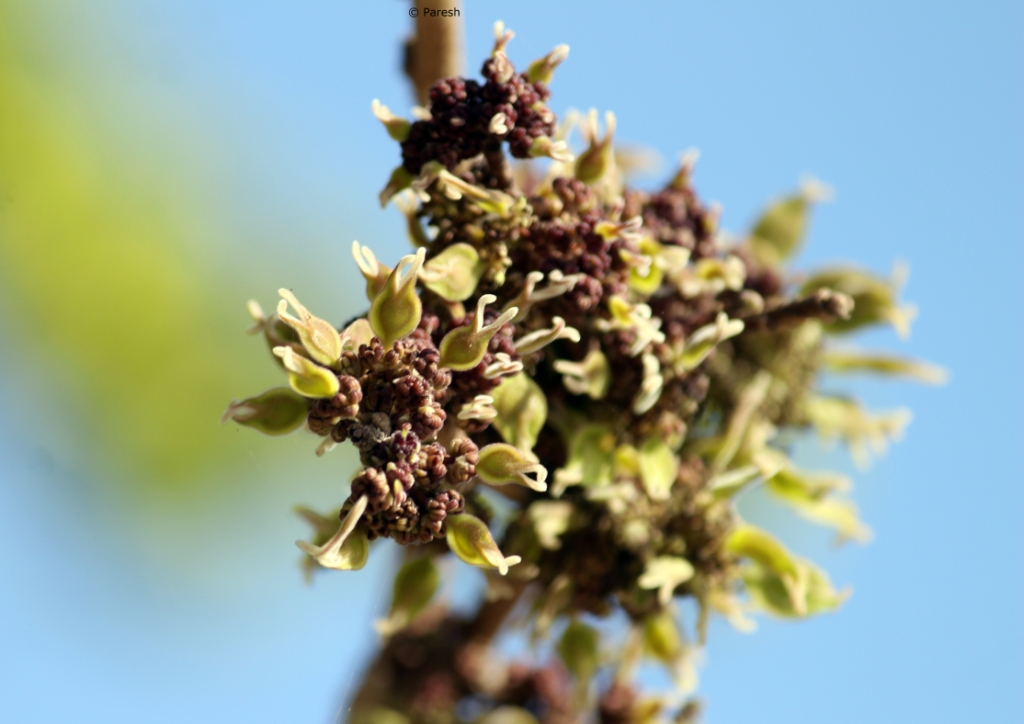
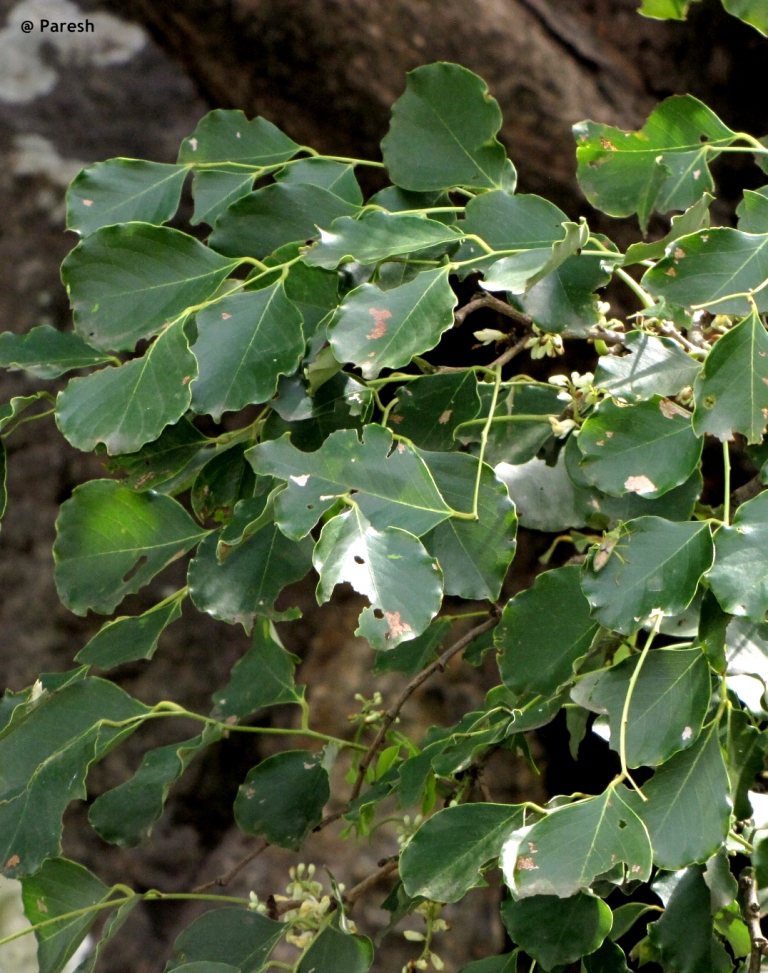
Indian Elm (Holoptelea Integrifolia/वावळ, पापडी) is a large deciduous, fast-growing tree with good canopy. It is densely foliated tree. Though its tiny flowers are not conspicuous, the circular samara fruits give an attractive appearance to the tree; also making the tree easy to spot. It has wind-pollinated male and hermaphrodite flowers. The flowers are small, greenish-yellow to brownish & pubescent.

Indian Elm tree flowers in January-February months and it fruits from March to May. During this period, the tree attracts loads bees and butterflies. It is the larval host plant for the Chilades Pandava butterfly. The fruits of Indian Elm, just like figs, are largely eaten by Langurs. The leaves are used as animal fodder. It can be coppiced. The unripe fruits are edible. Fruits also serve as a good source of Essential oils. This Elm gives good quality charcoal. 

Though Indian Elm grows slowly in initial stages, once established, the species can be fast-growing. It propagates from seeds & cuttings. The papery fruits can be just sprinkled on soil and regular water-spraying helps in their germination. It is resistant to gaseous pollutants. The tree is known to purify air by trapping dust & particulate pollutants. 

The tree is mentioned in Charaka-Samhita, Sushruta-Samhita and other traditional systems. It pacifies vitilated kapha and is known to be useful in skin diseases, haemorrhoids, colic, flatulence & vomiting. Its leaves are also used for diabetes, leprosy & baldness. This herb is also mentioned for the treatment of localized swelling, nausea, indigestion, rheumatism, ringworm infectin, scabies, ulcers and acts as blood purifier. The tree has also been found to have some antibacterial properties. Name the disease and this elm have remedy for that! It is commonly called Chirabilva in Ayurveda. 

Indian Elm is also used in ecological forestry for its heat & drought tolerance and regenerative abilities. It’s a very hardy tree that survives well in the extreme climate. Its root system helps in erosion control of soil and dune stabilization. The leaves also provide useful mulch in good quantity. It’s crushed leaves & bark has a characteristic smell. This virtue makes the tree resistant to pest and these parts can also be used as a pest repellent.

The tree is harvested from the wild for local use as a medicine, food, and as a source of oil and wood. The attractively dense tree is commonly spotted on roadsides across the city and in gardens as well. 

The Grewias

The tree is known for a refreshing drink prepared from the fruits, commonly known as Phalsa Sherbet or squash, is considered a delicacy throughout the hot summer months in India. The Phalsa tree (Grewia Asiatica/फालसा) is a small-to-moderate sized deciduous tree.

Phalsa is a beautiful tree with small orange-yellow flowers, borne in densely crowded axillary cymes. The ripe fruits are eaten as a dessert. Their taste and flavor are very much liked. Due to fruits, the tree is often found pollarded to keep its branches low and within reach.

According to Ayurveda, different parts of this plant possess different pharmacological properties. Leaves have antimicrobial, anticancer, antiplatelet and antiemetic activities; fruit possess anticancer, antioxidant, radio-protective and anti-hyperglycemic properties; while stem bark possesses analgesic and anti-inflammatory activities. The fruits are a cooling tonic, astringent & aphrodisiac; they allay thirst & burning sensations, remove biliousness, cure inflammation, heart & blood disorders and fevers. The fruit is also good against throat trouble. The bark is used as a demulcent, febrifuge and treatment for diarrhea. It cures urinary troubles and relieves burning sensation. The root bark is employed in treating rheumatism. The leaves are applied on skin eruptions and they are known to have antibiotic action.

The tree improves the soil and also aids in reclamation of degraded land. It has been proved that the plantations of Phalsa increased organic Carbon, available Nitrogen, Phosphorus & Potassium in the soil and reduced Calcium Carbonate, pH & bulk density due to litter production greater than that of other fruit trees. It is propagated easily by seeds.

Phalsa can be grown on a wide range of soils, even those that are slightly alkaline, clay or sandy soils. But for fruit production, ideal is a rich alluvial soil. The tree grows in both tropical and subtropical climates but will tolerate other climates, except at high altitude; however, it does best in regions having distinct summer and winter seasons. It is very hardy, drought-tolerant species and capable of existing under severe conditions and is suitable for arid regions.

The fresh leaves are valued as fodder. The mucilaginous extract from the tree obtained after pounding in water is used to clarify sugarcane juice during the preparation of gur, the traditional brown sugar made in India. Ropes or cordage can also be obtained from the tree. Furthermore, there is no serious pest or disease of this species.

There is a similar close cousin of Phalsa from the same genus, the Dhaman (Grewia Tiliifolia/धामण, धामनी) is a moderate-sized deciduous tree.

The yellow flower resembles the Phalsa flower very much. The main difference is in the leaves. The leaves of Dhaman are oblique heart-shaped.

The tree is harvested from the wild for local use of its fibre and edible fruit. The black, globose, 2-3 lobed fruit is about the size of a pea, having a nice flavor. Fruit is a good source of micronutrients such as anthocyanins, phenols, flavonoids and vitamin C. They have a moderate antioxidant activity and make an excellent, healthful addition to the diet.

Dhaman grows rapidly in full sun and light shade. It is successful in a range of well-drained soils. It also serves as a larval host plant for the Coladenia Indrani species of butterflies. It is also propagated by seeds.

The tree has numerous medicinal properties. It is employed in dysentery & applied externally to remove irritation from itch. It also has emetic properties. Leaves and twigs are lopped for fodder. The leaves contain 1% tannin and are sometimes employed as a soap substitute for washing hair. 

Sandpaper Raisin or Rough-leaved Raisin (Grewia Flavescens/खटखटी) is a large shrub or small tree, with beautifully bright yellow flowers. It is multi-stemmed and densely branched, forming a very irregular leafy canopy. Leaves are simple, alternate, hairy and light green on both sides, being more hairy underneath; with irregularly toothed edges. The fruit is berry-like and hard. The skin of the fruit is said to be the hardest amongst the Grewia species. The fruit are eaten by birds, especially hornbills, and also by monkeys. 

The species is also known for its ornamental value and is used as a vegetable, fodder and to make baskets. The fruits are used as food and for traditional medicinal treatments.

The fruits of Grewias attracts many birds and is also consumed by monkeys and antelopes. Leaves are food plants for the larvae of moth-like Skipper butterflies. The trees also serve as important pollinators, food source for many animals and provide a good support for the ecosystem. These species have high potential in agroforestry practices as well as have high ornamental value. Hence it is great have one of these beauties near house!

The Indian Oak

Teak (Tectona Grandis/सागवान, साग) is a tall, deciduous tree, having small, beautiful fragrant white flowers and large leaves. Flowers usually appear during the rainy season, and trees tend to flower synchronously. It grows moderately fast and has open crown open with many small branches; the bole is often buttressed and may be fluted with deep root system. 

Though not a garden plant precisely, it has high ornamental value. It is a very important candidate in an ecosystem with a long life span. Due to its tall growing nature, it is a preferred roosting and nesting site for number of birds. Teak tree is visited by number of insects too. It is pollinated by black-ants, flies and particularly by bees. Teak is also used as a food plant by the larvae of moths of the genus Endoclita including E. aroura, E. chalybeatus, E. damor, E. gmelina, E. malabaricus, E. sericeus and E. signifer and other Lepidoptera including Turnip Moth. :-)

Teak trees survive and grow under a wide range of climatic and soil conditions. It is light-demander species. Each pair of its leaves is arranged at 90° to the adjacent pair, so as to maximize their ability to receive & trap sunlight. It grows best in a warm, moist, tropical climate with a significant difference between dry and wet seasons. It is a hardy species which is the first to colonize barren environments or previously bio-diverse ecosystems that have been disrupted, such as by fire. Even young plants show a remarkable capability to recover after fire. Hence Teak is known as a Pioneer species. In contrast to other pioneer species, it is able to persist, dominate and to naturally regenerate towards the climax phase of succession in most parts of its natural range. It occurs naturally in various types of tropical deciduous forests. It is often a dominant member of a mixed deciduous forest, where its main associates are Shorea Robusta, Terminalia spp., Xylia spp., Lagerstroemia spp., Haldina, Dalbergia Latifolia, Bambusa Bambos and Dendrocalamus Strictus. 

Natural regeneration of Teak is particularly abundant in forests exposed to fires. It is also propagated by seeds & stumps. The vitality of teak stumps is remarkable. Soaking the seeds for 48 hours in water before sowing is the best treatment for hastening germination. It coppices and pollards vigorously, sometimes retaining coppicing power to a considerable size.  

Teak is a suitable ideotype for agroforestry because of having deciduous nature, sparse canopy and deep root system. It may be planted as a wind break. Though it gives good quality charcoal, it is usually considered too valuable for it. It produces a yellowish-brown or reddish dye, which is used for paper, clothes and matting. 

According to Ayurveda, it is acrid, cooling, laxative, sedative to gravid uterus and useful in treatment of piles, leucoderma and dysentery. Flowers are acrid, bitter and dry and useful in bronchitis, biliousness, urinary discharges etc. Roots are useful in treatment of urinary system related troubles. According to Unani system of medicine, the oil from flower is hair promoter and useful in scabies. It is also good for head-ache, biliousness, burning sensation and pain and liver related troubles. It allays thirst and possess anthelmintic & expectorant properties.

Teak is one of the most important timbers in the world - a rare combination of superior physical & mechanical properties makes it a paragon of timber, and there is no likelihood of it being eclipsed by any other. Teak is often grown in botanical gardens and is occasionally cultivated in tropical countries as an ornamental for its large leaves and spreading flower clusters.

The Sheep Horn

Medhshingi or Medsing (Dolichandrone Falcata/मेढशिंगी, मेढशिंग) is a small to medium sized deciduous tree with pretty flowers attractively dense and dark foliage.

The flowers are white in colour, and just like the Coral Jasmine / Parijataka tree, bloom in the evening & fall down in the morning spreading the highly scented wave of freshness in summer months of March to May. Even without flowers, the tree shows off its glossy green leaves. It grows at moderate speed. This tree strongly needs to be introduced in city gardens.

The flowering of this tree is very profuse and fragrant. Its flower’s capsule appears nearly quadrangular, curved like a sickle, giving it an appearance of curved sheep horns, hence the name Medhsing or Bhershing. When in bloom, it attracts variety of birds and bees. It is easily propagated by its papery seeds.

The tree is also known to have medicinal properties. It is used to treat diabetes. The Father of  Surgery, Sushruta, had placed the Medhshingi tree in Shaalasaaraadi & Varunaadi Gana, Shiro-virechana & Vaata Samshamana Varga; and describes its use particularly in cataract, vision disorders, head diseases, wound healing and as an anxiolytic. 

Medhshingi gives useful green manure and young leaves, an excellent fodder, are eaten by cattle. It can coppice well, forming a compact crown. Sometimes, it can be used as windbreak in farms. It is very hardy & drought resistant species. It can also grow in poor quality soils. It is fit for propagating in the driest localities and rocky terrain. It makes an ideal ornamental candidate for plantation in urban areas.

The Rosewoods

There is a tree which is often mistaken for Indian Rosewood due to striking similarity in their leaves and flowers. But can be distinguished by somewhat darker bark.

Black Rosewood (Dalbergia Latifolia/काळा शिसम, काळारुख) is moderate-to-large sized tree with a dome shaped crown of lush green foliage. The leaves of Shisham have pointing tip whereas the leaves of this species are blunt and broadly rounded with wavy margins. The broad leaves explains the species name latifolia.

Furthermore, though it sheds its leaves, it can hardly be found leafless. It flowers abundantly in aromatic clusters of white colour creating an eye-soothing view. Due to these reasons, it is noted to attract number of birds, butterflies, insects and wildlife. Hence the tree needs to be introduced in home gardens in urban societies. 

Practically, Black Rosewood is quite similar to Shisham, including their use in agroforestry, apiculture, medicines, ornamental or soil improvement. It is also a Nitrogen-fixing tree and gives the nitrogen-rich foliage which is widely used as a green manure and fodder. Like other member of the genus Dalbergia, its honey is dark amber and strong flavoured.

In a drier habitat, the hardy tree is leafless for couple of months, regaining its leaves in April-May. In a moist locality, it is evergreen throughout the year. The species grows on a variety of soils. It grows best on well-drained, deep, moist soils & black cotton soils. The root system of the tree is well developed with deep tap roots and long lateral roots. It reproduces by seed, root sucker or cuttings. Although no treatment is necessary, soaking seed in cool water for 12-24 hours will hasten germination of seeds. 

Black Rosewood is widely used for reforestation of eroded soils. It is also planted as a roadside tree and shade tree. It acts as a soil improver. The leaf litter decomposes slowly releasing nutrients gradually and it is used as mulch. Medicines are made from the tannins in the bark, for diarrhoea, worms, indigestion, and leprosy. These tannins also produce an appetizer.

There is another species from the same genus, Dhobin or Phansi (Dalbergia Lanceolaria subsp. Paniculata/धोबीन, फणशी, दोंडूस) is a very conspicuous and handsome, deciduous tree. It is eye as well as ear catching tree when profusely covered with flowers and young leaves. The tree is actually loud with the buzzing of thousands of bees. Its flowers are white & fragrant.

This species is a moderately fast growing tree. It is recommended for reforestation projects on degraded land where seeds are unlikely to grow successfully. It is propagated by seeds. Young seedlings grow well in the dappled shade of the forest, but they become more light-demanding as they grow older. 

Different parts of trees particularly seed and bark are used in the Ayurveda; mainly to treat arthritic infections and inflammations.

The lesser known tree species has a great potential in Agroforestry. Dhobin has a symbiotic relationship with certain soil bacteria, these bacteria form nodules on the roots and fix atmospheric nitrogen. Some of this nitrogen is utilized by the growing plant but some can also be used by other plants growing nearby. In  other uses, it is used as wind  break for micro-climate enhancement, nectar source for honeybees, and in addition to these leaves are used as a fodder for livestock animals. 

Both these Rosewoods are excellent choice for farmers as well as city dwellers!