The concept of adoption of a plant is been derived from Indian cultural history. The Indian astrology is based on the concept of Nakshatras (Constellations) and Rashis (as per moon signs). There are in all 27 Nakshatras present in a year and every individual has a Nakshatra assigned to him/her depending on the date and time on which he/she is born (the tithi).
Trees corresponding to Nakshtras and Rashis :
 Sr. No. : 1
 Sr. No. : 2
 Sr. No. : 3
Nakshatra Name : Kritika
Moon Sign : Aries
Lord : Sun
Tree/Plant : Cluster Fig (औदुंबर)
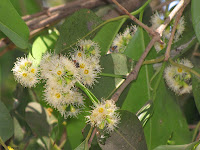
 The Rashi tree for Aries is Red Sandalwood (Pterocarpus Santalinus/रक्तचंदन). Being a rare species, plantation of this tree has its importance. It has tremendous medicinal properties and is mentioned number of times in Ayurveda. This tree is believed to purify air from toxic substances.
 Sr. No. : 4
 Sr. No. : 5
Nakshatra Name : Mrig
Moon Sign : Taurus
Lord : Mars
Tree/Plant : Cutch tree (खैर)
Latin Name : Acacia Catechu
 The Rashi tree for Taurus is Scholar tree (Alstonia Scolaris/सप्तपर्णी). It is an elegant fast-growing evergreen tree. With or without flowering, it is equally beautiful. It has many medicinal properties to its name. It is often planted as an ornament.
 Sr. No. : 6
 Sr. No. : 7
 The Rashi tree for Gemini is Pala-Indigo tree (Wrightia Tinctoria/काळा-कुडा). Locally, it is also known as Dudhi. It is a small tree with white, fragrant flowers. This attractive tree has many virtues to its name including agroforestry and ayurvedic properties.

Latin Name : Ficus Religiosa
 Sr. No. : 9
 The Rashi tree for Cancer is Palash (Butea Monosperma/पळस). It is a multi-purpose and decorative tree with beautifully attractive flowers and unique leaves. Being a very sacred species, this hardy tree is usually used to stabilie field bunds and to control soil erosion. It flowers in two distinct varieties - bright crimson orange coloured and yellow coloured.
 Sr. No. : 10
 Sr. No. : 11

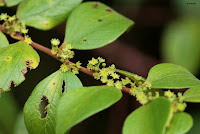 The Rashi tree for Leo is Indian Jujube, Indian Plum (Ziziphus Mauritiana/बोर). It is fast growing tree with sweet delicious fruits. The tree is a excellent agroforestry species with numerous uses to its name.
Sr. No. : 13
Nakshatra Name : Hasta
Moon Sign : Virgo
Lord : Moon
Trees/Plant : Jaai
Latin Name : Jasminum Grandiflora
 Sr. No. : 14
 Sr. No. : 15
Nakshatra Name : Swati
Sr. No. : 15
Nakshatra Name : Swati
Latin Name : Terminalia Arjuna
 Sr. No. : 16
 The Rashi tree for Libra is Indian Medler (Mimusops Elengi/बकुळ). It is a very beautiful evergreen tree with creamy white sweet-odoured flowers. The flowers hold on their fragrances for many days even after fall from the tree.

Lord : Saturn
Trees/Plant : Nagkesar (नागकेसर)
 Sr. No. : 18
The Rashi tree for Scorpio is Indian Catechu (Acacia Catechu/खैर)
 Sr. No. : 19
Nakshatra Name : Mool
Sr. No. : 19
Nakshatra Name : Mool
Moon Sign : Sagittarius
Lord : Ketu
Trees/Plant : Salai
 Sr. No. : 20
Nakshatra Name : Poorvashadha
Moon Sign : Sagittarius
Lord : Venus
Trees/Plant : Rattan Cane
Latin Name : Calamus Pseudotenuis (वेत)
It is a strong climber which has clustered stems. It usually need a support to climb.

The Rashi tree for Sagittarius is Peepal (Ficus Religiosa/पिंपळ).

 Sr. No. : 23
 Sr. No. : 24
Nakshatra Name : Shatatarka
Moon Sign : Aquarius
Lord : Rahu
Trees/Plant : Kadam, Common Bur Flower (कदंब)
 Sr. No. : 25
Nakshatra Name : Poorvabhadrapada
Sr. No. : 25
Nakshatra Name : Poorvabhadrapada
Moon Sign : Aquarius
Lord : Jupiter
Trees/Plant : Mango (आंबा)
The Rashi tree for Aquarius is Indian Mesquite (Prosopis Cineraria/शमी)
 Sr. No. : 26
Nakshatra Name : Uttarabhadrapada
Moon Sign : Pisces

Sr. No. : 27
The Rashi tree for Pisces is Banyan tree (Ficus Benghalensis/वड).
It is believed that the tree of Nakshatra in which the person is born gives strength to him. I don't say that it should be believed, or for that matter astrology as such, but Nakshatra Vana (forest) is an attractive idea and a way to encourage growing trees.
May we all believe in astrology or not, we will definitely agree to one simple thing that this concept of plant adoption was one of the very smartly planned conservation strategy by our ancestors. Today looking at our 'selfish' and 'just consume' attitude towards the whole-n-sole of our life - Mother Nature, we find it really necessary to rejuvenate and spread this concept of adopting at least one plant per person..!
Every Nakshatra has a symbolic tree or plant that defines its connection with eternal nature. In our Indian culture there was a tradition that whenever a baby is born in someone’s home, that person was supposed to plant a tree of the same Nakshatra on which the baby was born. The person was supposed to take care of the tree as his child because it was believed that the more good and healthy the tree will grow, it will prosper more health and happiness to the child.
If these trees have been assigned to the 27 nakshatras by the Vedic Rishis, than it will be worthwhile for us to know which tree belongs to our Janma Nakshatra (Birth Constellation) and to have some idea about its medicinal values or other applications.
So the presence of the complete set of 27 trees directly creates a healthy and sound physical, mental, psychological and spiritual beings; which is the ultimate and absolute bliss to oneself and to the Earth too!
Trees corresponding to Nakshtras and Rashis :

Nakshatra Name : Ashwini
Moon Sign : Aries
Lord : Ketu
Tree/Plant : Strychnine tree, Poison Nut (कुचला)
Latin Name : Strychnous Nux-Vomica
It is important medicinal tree which has its mention in ancient system of medicine. The seeds of ripe fruit are poisonous, hence the name.
 Sr. No. : 2
Nakshatra Name : Bharani
Moon Sign : Aries
Lord : Venus
Tree/Plant : Amla, Indian Gooseberry (आवळा)
 Sr. No. : 3
Nakshatra Name : Kritika
Moon Sign : Aries
Lord : Sun
Tree/Plant : Cluster Fig (औदुंबर)
Latin Name : Ficus Racemosa
 The Rashi tree for Aries is Red Sandalwood (Pterocarpus Santalinus/रक्तचंदन). Being a rare species, plantation of this tree has its importance. It has tremendous medicinal properties and is mentioned number of times in Ayurveda. This tree is believed to purify air from toxic substances.
 Sr. No. : 4
Nakshatra Name : Rohini
Moon Sign : Taurus
Lord : Moon
Tree/Plant : Jamun, Java Plum (जांभूळ)
Latin Name : Syzygium Cumini
 Sr. No. : 5
Nakshatra Name : Mrig
Moon Sign : Taurus
Lord : Mars
Tree/Plant : Cutch tree (खैर)
Latin Name : Acacia Catechu
 The Rashi tree for Taurus is Scholar tree (Alstonia Scolaris/सप्तपर्णी). It is an elegant fast-growing evergreen tree. With or without flowering, it is equally beautiful. It has many medicinal properties to its name. It is often planted as an ornament.
Nakshatra Name : Ardra
Moon Sign : Gemini
Lord : Rahu
Tree/Plant : Black Ebony, Tendu (टेंभूर्णी, तेंदू)
OR
Krushnagus
OR
Krushnagus

Nakshatra Name : Punarvasu
Moon Sign : Gemini
Lord : Jupiter
Tree/Plant : Velu
Latin Name : Bambusa Bambos
It is basically a fast-growing type of grass which provide shelter place to many small birds. Its medicinal virtues are often neglected by gardeners who consider it as a messy plant. Actually speaking, it provide good quantity of mulch.
 The Rashi tree for Gemini is Pala-Indigo tree (Wrightia Tinctoria/काळा-कुडा). Locally, it is also known as Dudhi. It is a small tree with white, fragrant flowers. This attractive tree has many virtues to its name including agroforestry and ayurvedic properties.
Sr. No. : 8
Nakshatra Name : Pushya
Moon Sign : Cancer
Lord : Saturn
Trees/Plant : Peepal, Sacred Fig (पिंपळ) Latin Name : Ficus Religiosa

Nakshatra Name : Ashlesha
Moon Sign : Cancer
Lord : Mercury
Trees/Plant : Beauty Leaf tree, Alexandrian Laurel (नागचाफा, उंडी)
Latin Name : Calophylum Inophyllum.
It is an evergreen beautiful tree which tolerates variety of soils. It has fragrant flowers & is often planted for ornamental purpose. The oil extracted from the seeds is used as Biodiesel in USA & Europe.
 The Rashi tree for Cancer is Palash (Butea Monosperma/पळस). It is a multi-purpose and decorative tree with beautifully attractive flowers and unique leaves. Being a very sacred species, this hardy tree is usually used to stabilie field bunds and to control soil erosion. It flowers in two distinct varieties - bright crimson orange coloured and yellow coloured.
 Sr. No. : 10
Nakshatra Name : Magha
Moon Sign : Leo
Lord : Ketu
Trees/Plant : Banyan (वड, वट)
Latin Name : Ficus Benghalensis
 Sr. No. : 11
Nakshatra Name : Poorva Phalguni
Moon Sign : Leo
Lord : Venus
Trees/Plant : Palash, Parrot tree (पळस)
Latin Name : Butea Monosperma

Sr. No. : 12
Nakshatra Name : Uttara Phalguni
Moon Sign : Leo
Lord : Sun
Trees/Plant : Payari
Latin Name : Ficus Arnottiana
 The Rashi tree for Leo is Indian Jujube, Indian Plum (Ziziphus Mauritiana/बोर). It is fast growing tree with sweet delicious fruits. The tree is a excellent agroforestry species with numerous uses to its name.
Sr. No. : 13
Nakshatra Name : Hasta
Moon Sign : Virgo
Lord : Moon
Trees/Plant : Jaai
Latin Name : Jasminum Grandiflora
 Sr. No. : 14
Nakshatra Name : Chitra
Moon Sign : Virgo
Lord : Mars
Trees/Plant : Bael, Golden Apple (बेल)
Latin Name : Aegle Marmalos Sr. No. : 15
Moon Sign : Libra
Lord : Rahu
Trees/Plant : Arjun (अर्जुन) Latin Name : Terminalia Arjuna

Nakshatra Name : Vishakha
Moon Sign : Libra
Lord : Jupiter
Trees/Plant : Nagkesar (नागकेसर) OR Wood Apple (कवठ, कैट)
Latin Name : Mesua Ferrea OR Limonia AcidissimaTrees/Plant : Nagkesar (नागकेसर) OR Wood Apple (कवठ, कैट)


Sr. No. : 17
Nakshatra Name : Anuradha
Moon Sign : ScorpioLord : Saturn
Trees/Plant : Nagkesar (नागकेसर)
Latin Name : Mesua Ferrea

Nakshatra Name : Jyeshta
Moon Sign : Scorpio
Lord : Mercury
Trees/Plant : Semal, Red Silk-Cotton Tree (सावरी)
Latin Name : Bombax Ceiba
The Rashi tree for Scorpio is Indian Catechu (Acacia Catechu/खैर)
 Sr. No. : 19
Moon Sign : Sagittarius
Lord : Ketu
Trees/Plant : Salai
Latin Name : Boswellia Serrata

Nakshatra Name : Poorvashadha
Moon Sign : Sagittarius
Lord : Venus
Trees/Plant : Rattan Cane
Latin Name : Calamus Pseudotenuis (वेत)
It is a strong climber which has clustered stems. It usually need a support to climb.

Sr. No. : 21
Nakshatra Name : Uttarashadha
Moon Sign : Sagittarius
Lord : Sun
Trees/Plant : Jackfruit (फणस)
Latin Name : Artocarpus Heterophyllus
The Rashi tree for Sagittarius is Peepal (Ficus Religiosa/पिंपळ).

Sr. No. : 22
Nakshatra Name : Shravan
Moon Sign : Capricorn
Lord : Moon
Trees/Plant : Crown Flower (रुइटी, आक)
Latin Name : Calotropis Gigantea
 Sr. No. : 23
Nakshatra Name : Dhanishtha
Moon Sign : Capricorn
Lord : Mars
 Sr. No. : 24
Nakshatra Name : Shatatarka
Moon Sign : Aquarius
Lord : Rahu
Trees/Plant : Kadam, Common Bur Flower (कदंब)

Moon Sign : Aquarius
Lord : Jupiter
Trees/Plant : Mango (आंबा)
Latin Name : Mangifera Indica
The Rashi tree for Aquarius is Indian Mesquite (Prosopis Cineraria/शमी)
 Sr. No. : 26
Nakshatra Name : Uttarabhadrapada
Moon Sign : Pisces
Lord : Saturn

Sr. No. : 27
Nakshatra Name : Revati
Moon Sign : Pisces
Lord : Mercury
Trees/Plant : Mahua, Mohwa (मोह, मोहवा)
Latin Name : Madhuca Latifolia
The Rashi tree for Pisces is Banyan tree (Ficus Benghalensis/वड).
It is believed that the tree of Nakshatra in which the person is born gives strength to him. I don't say that it should be believed, or for that matter astrology as such, but Nakshatra Vana (forest) is an attractive idea and a way to encourage growing trees.
May we all believe in astrology or not, we will definitely agree to one simple thing that this concept of plant adoption was one of the very smartly planned conservation strategy by our ancestors. Today looking at our 'selfish' and 'just consume' attitude towards the whole-n-sole of our life - Mother Nature, we find it really necessary to rejuvenate and spread this concept of adopting at least one plant per person..!


